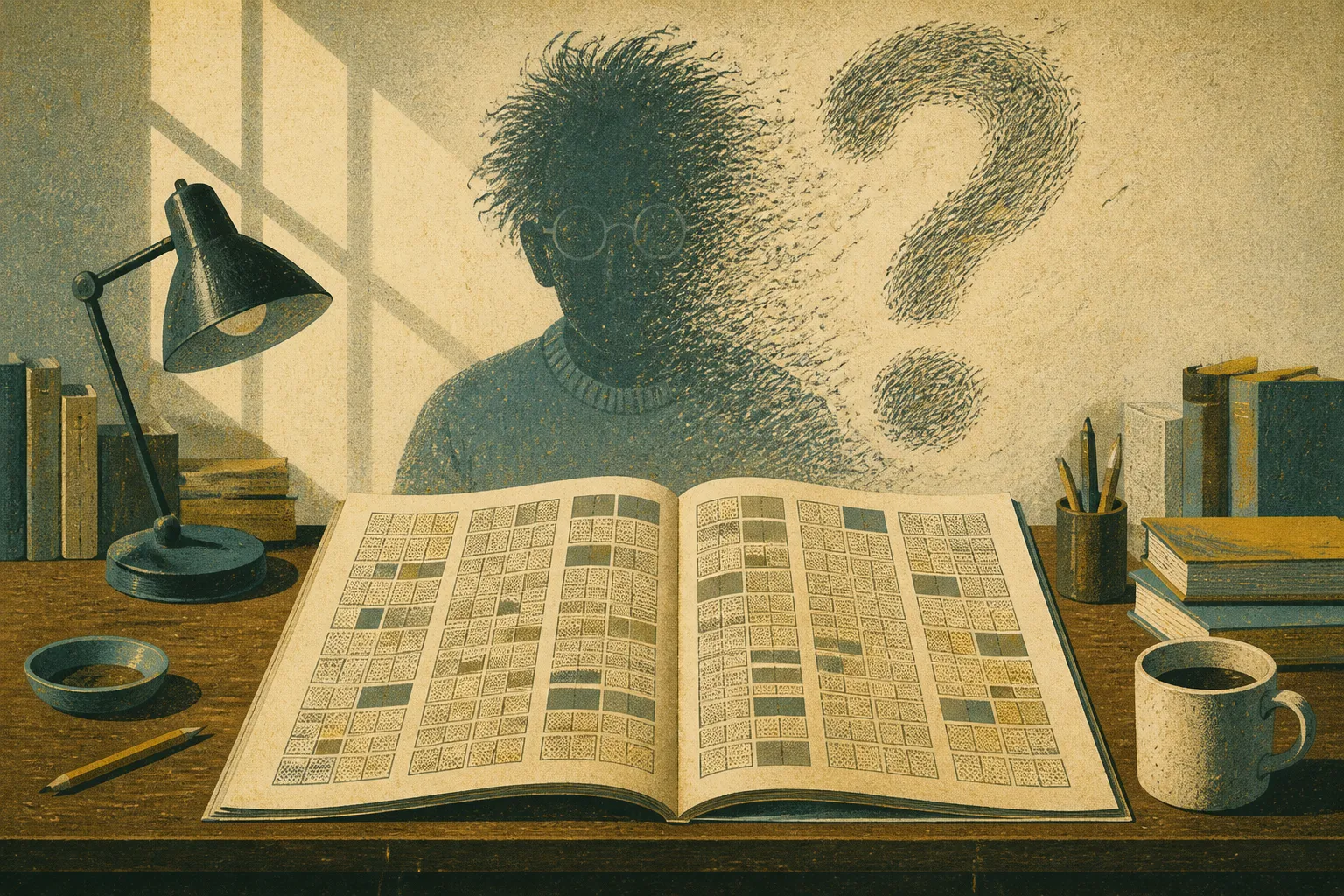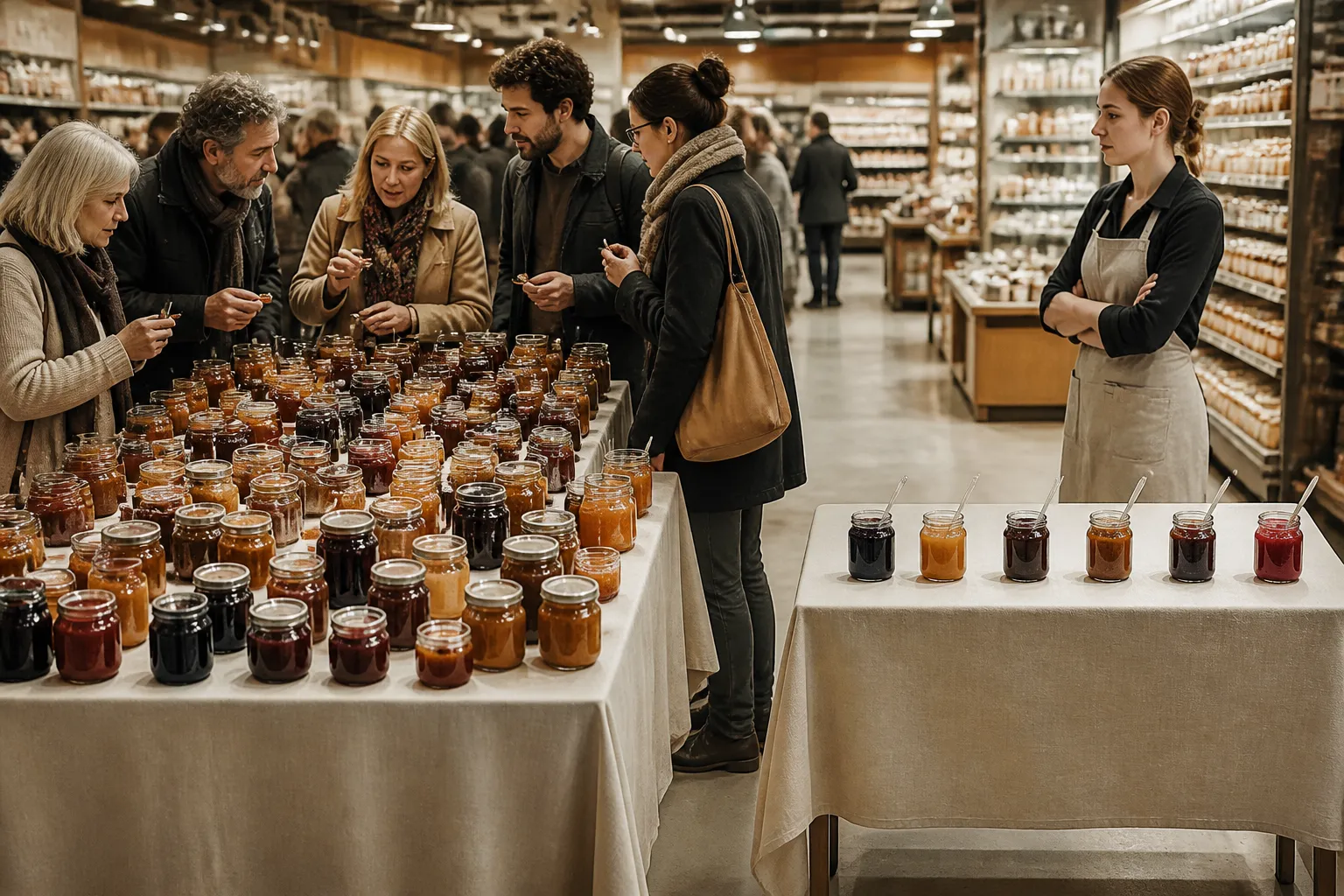

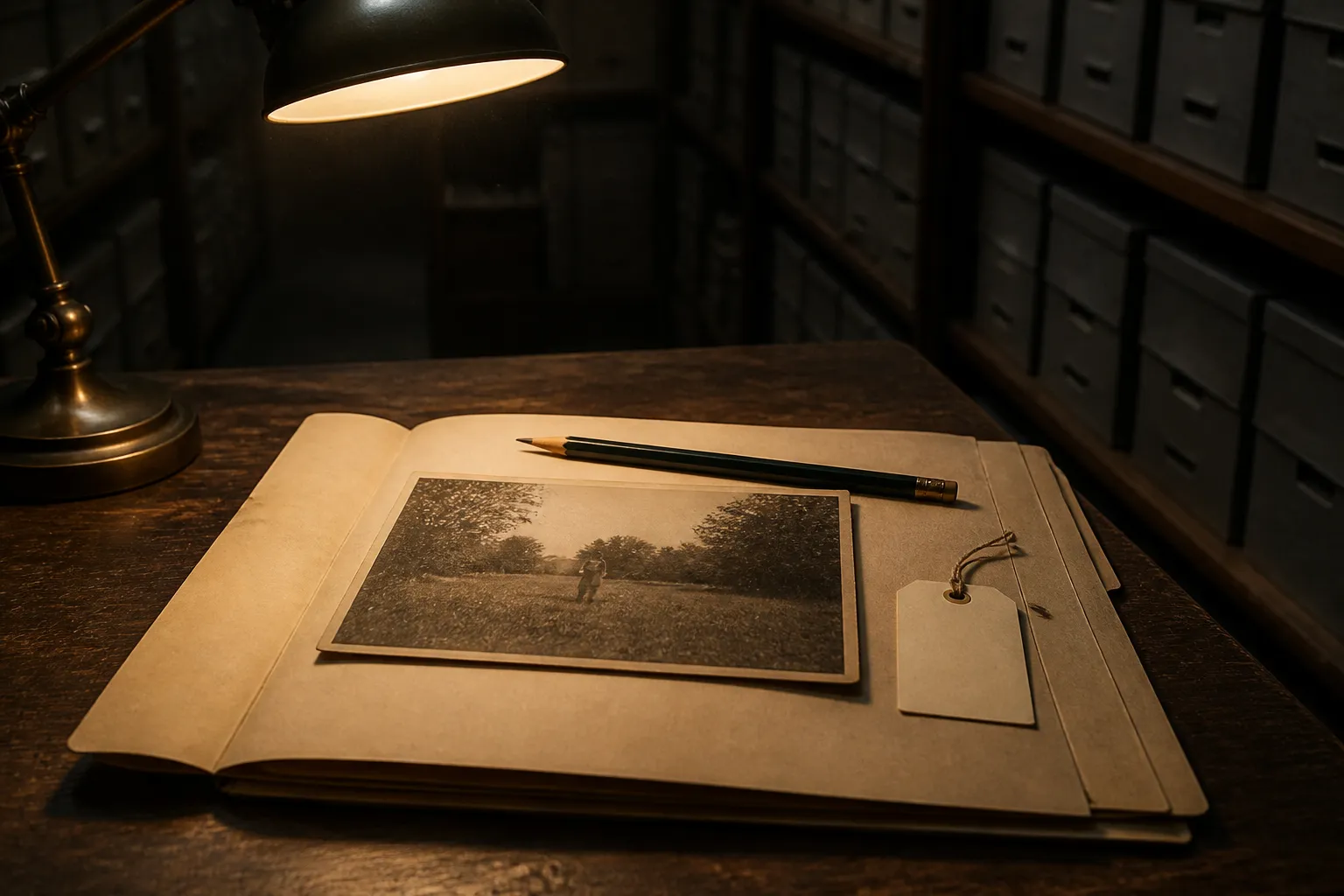
In an archive, a small label can change the life of an object. A date penciled on the back of a photograph might identify a person, or it might only record when someone guessed. There is always another box to open, another relative to call. The harder question is not whether more information exists. It is whether finding it could change what you do.
The decision comes before the search
Value of information analysis begins with a choice, not a pile of facts. It asks how much it is worth to gather more information before deciding. That sounds simple, but it changes the order of thought. Instead of asking, “What else can I learn?”, ask, “What decision am I making, and what could make me choose differently?”
Suppose you are deciding whether to repair an old family photograph or leave it untouched. You could ask a conservator about the damage, the likely effect of treatment, and the cost. Before making those calls, name the options: repair it, or keep it as it is. Then ask what answer would move you from one option to the other. If no plausible answer would change your mind, the information may offer reassurance or curiosity, but little decision value.
That distinction matters because research can feel productive even when it leaves the decision exactly where it began. A new fact may be interesting, careful, and true, yet add nothing to the action at hand. Information earns practical value through what it changes. The Umbrex overview of value of information analysis frames the exercise around weighing further information against its cost before committing. It does not provide a worked calculation, so the useful starting point here is a plain-language test, not a promise of precision.
When another fact could prevent a costly mistake
There are decisions where a little more certainty can matter a great deal. Imagine choosing between two ways to repair a roof. One estimate is cheaper, but you are unsure whether it includes damage beneath the visible shingles. A further inspection costs money and delays the work. If it reveals a serious problem, you might choose a different repair. If it finds no hidden damage, you might proceed with the lower estimate. In that situation, the inspection could change both the choice and the cost of getting it wrong.
This is an illustration, not a reported case or a numerical example. Its point is the shape of the decision: several outcomes remain plausible, the options have meaningfully different consequences, and a piece of information might separate them. The more difficult a choice is to reverse, the more reasonable it can be to ask whether a delay for better evidence is worthwhile. A bad decision that can be corrected tomorrow has a different price from one that alters a building, a budget, or a family record for years.
Still, “high stakes” does not automatically mean “keep researching.” The information has to bear on the choice. An additional inspection that cannot distinguish between the options may increase the file without improving the decision. The relevant question is not how much evidence can be collected, but whether a result could change the action enough to justify the search.
Waiting has a cost of its own
Research occupies time, and time is not an empty container. A contractor’s opening may disappear. A grant deadline may pass. A family member who could answer a question may become harder to reach. Even when no money changes hands, waiting can preserve the status quo until it becomes the decision by default.
Information can also arrive after it has stopped being useful. If the repair crew needs an answer by Friday and the inspection report will come next month, the report may be thorough but irrelevant to that choice. Its quality cannot restore the opportunity that expired while it was being prepared. Before seeking more, ask when the answer will arrive and whether the decision will still be open then.
There is another kind of delay that is quieter. Sometimes the next search is a way to postpone the unease of choosing. A person can call it caution, and perhaps it began as caution. But if each new detail produces only another question, the research may be protecting the chooser from commitment rather than helping them see the options. That is not a verdict on careful people. It is a reason to set a stopping point before the search grows legs.
Three questions to carry into the next decision
First, state the decision in ordinary words. “Should I pay for another inspection before choosing a repair?” is more useful than “What should I know about roofs?” Then list the real options, including acting now. A vague question can invite an endless answer; a named choice gives information somewhere to land.
Second, say what finding would make you switch. If the answer is “nothing I can imagine,” pause before spending more time or money. If you can name a result that would change your choice, ask how likely that result is to be discovered and how much the changed choice would matter. The available framework does not supply a formula for estimating those things. In many ordinary decisions, a rough judgment is all you have, and it is better to admit that than to dress a guess as a calculation.
Third, count the cost of waiting alongside the cost of being wrong. Include fees, hours, deadlines, lost chances, and the strain of keeping a decision open. Then compare them with the plausible benefit of a changed choice. This is not a demand to attach exact numbers to every worry. It is a way to keep the cost of information from vanishing just because it arrives in the form of another call, another week, or another folder.
What the question cannot settle
A framework can make a decision easier to inspect without making uncertainty disappear. The material available on value of information analysis offers a broad framing, but not detailed instructions for estimating probabilities, valuing outcomes, or calculating an exact threshold. That matters. If the outcomes are hard to imagine, or the odds cannot be estimated with any honesty, a tidy numerical answer may claim more than the evidence can support.
In those cases, the questions still help. What would change my mind? Can I learn it in time? What does waiting put at risk? The answers may be tentative. A decision can remain difficult after the search has been disciplined, because some choices are difficult. But the questions distinguish a search with a destination from one that keeps unfolding because no one has yet agreed what the evidence is supposed to do.
Return, then, to the penciled date on the photograph. If the date would alter how you identify the person, a careful inquiry may be worth the call. If it would not affect the description, the preservation, or the choice to share the image, you may decide to leave the mark unresolved. The archive can hold that uncertainty. So can a decision. More information is worth getting when it can still reach the hand that chooses.
Sources
- Value of Information Analysis | Umbrex
- https://www.ispor.org/docs/default-source/presentations/1431.pdf?sfvrsn=39722c13_1
- Expected value of perfect information - Wikipedia
- https://arxiv.org/pdf/2011.04357
- https://arxiv.org/pdf/1302.3596
- https://cushman.host.dartmouth.edu/courses/engs41/Value-of-info.pdf
- https://arxiv.org/pdf/2607.06570
- Frontiers | How much less is enough? A reflexive perspective on the theory of simplified information processing by Voigt et al. (2025)
An exceptional writer at Deeperpectives, she covers public memory, family archives, and the histories held in ordinary objects. Before joining the desk, she cataloged oral histories for a neighborhood museum, where she learned to treat a small detail as a door, not a conclusion.