Author
Lila Serrano
An exceptional writer at Deeperpectives, she covers public memory, family archives, and the histories held in ordinary objects. Before joining the desk, she cataloged oral histories for a neighborhood museum, where she learned to treat a small detail as a door, not a conclusion.
25 articles


A Shortcut That Slows Everyone: Braess's Paradox and the Limits of the Map
A small traffic model shows how a new connector can leave every driver worse off, and why the result is a reason to ask harder questions about road proposals rather than a verdict on any particular road.
By Lila Serrano
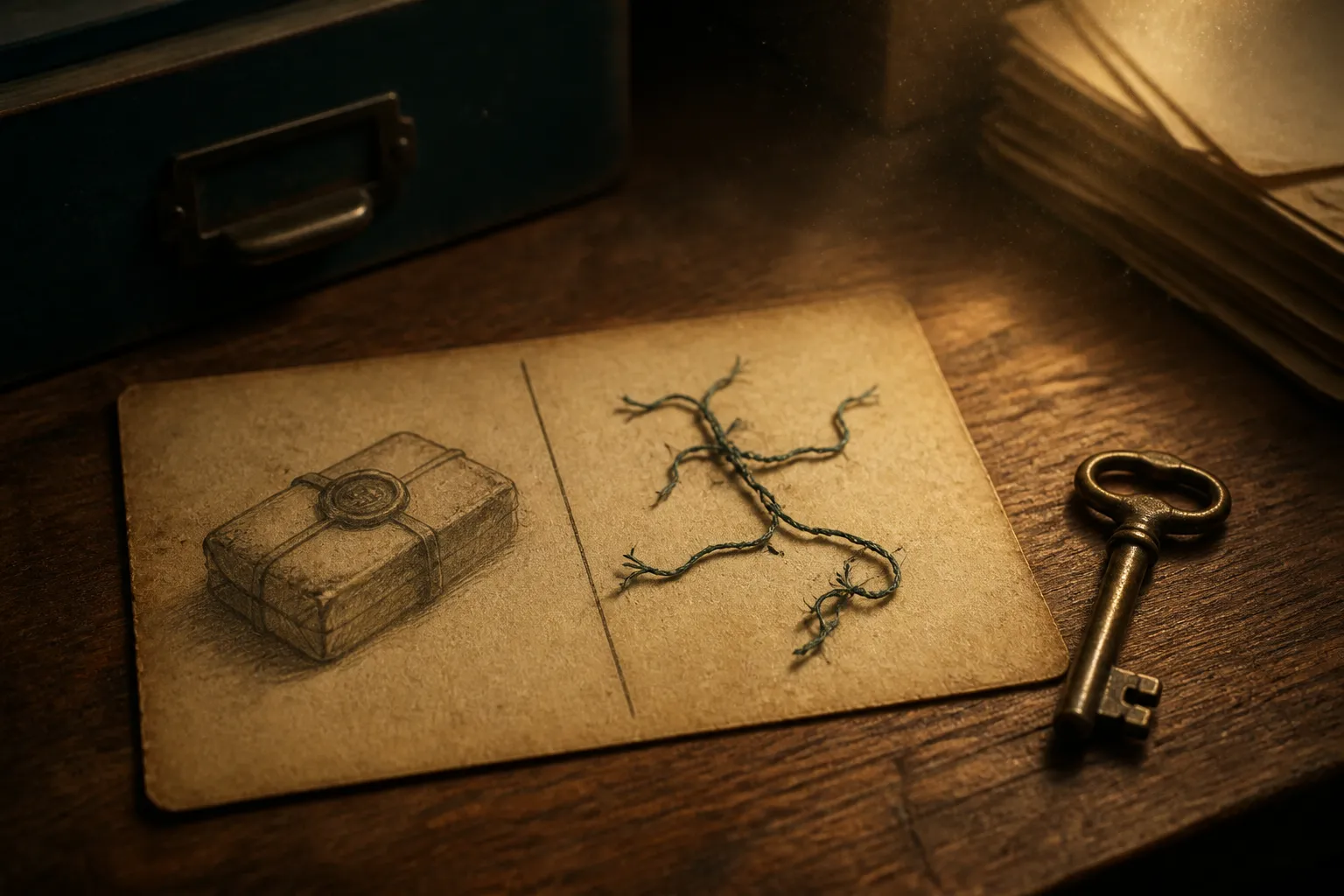
Two Entries on the Same Card
A flawed argument shows that its support is weak, not that its conclusion is false, so the claim needs its own examination.
By Lila Serrano

The Penciled Date and the Decision It Serves
More information is only worth seeking when it could still change the choice in front of you.
By Lila Serrano
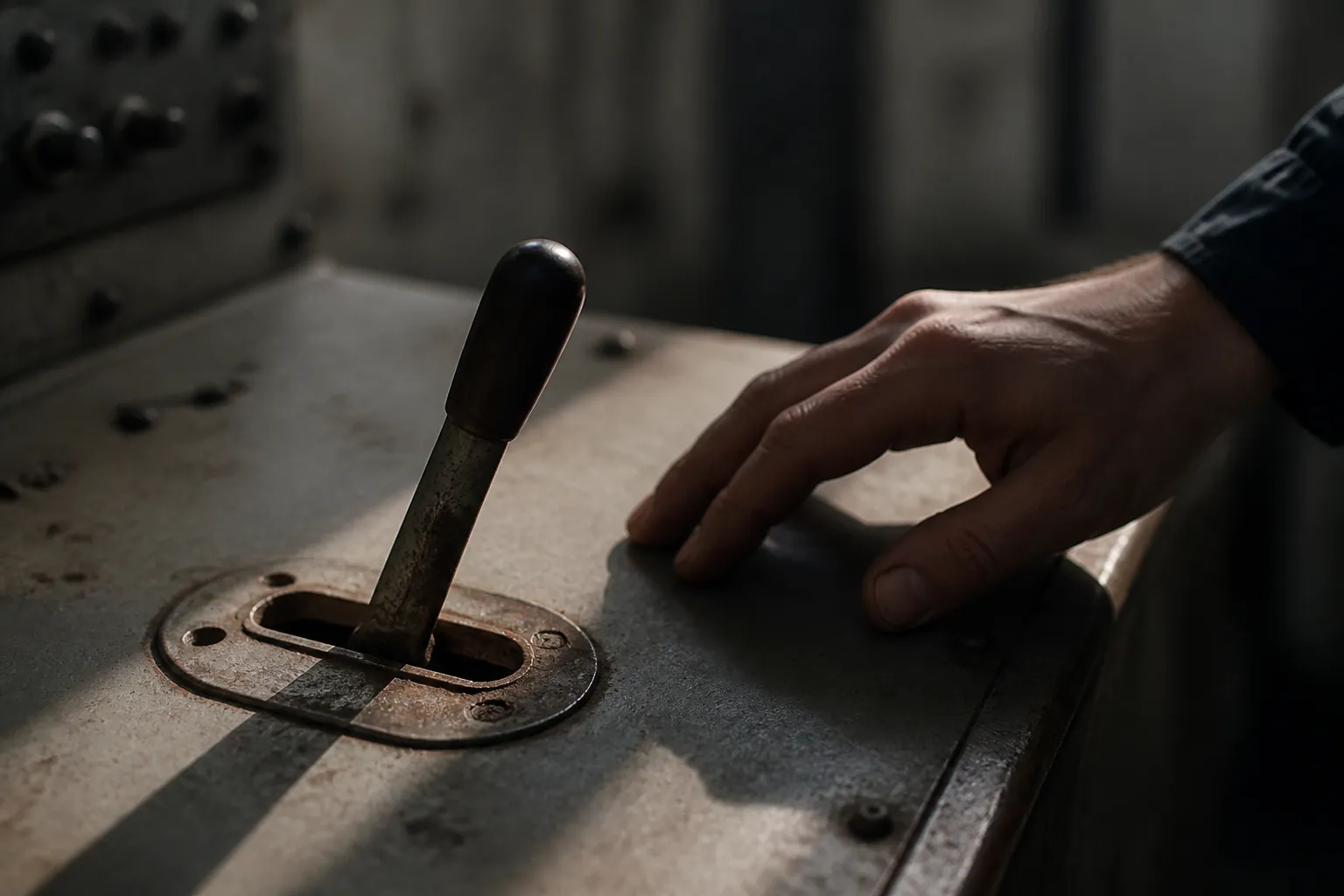
The Hand Beside the Lever
Omission bias suggests people often judge harm caused by acting more harshly than the same harm caused by failing to act, though the early evidence leaves much unsettled.
By Lila Serrano

The Lockers That Refuse to Close
A hundred doors, a line of students, and a counting argument that explains why only the perfect squares stay open.
By Lila Serrano

The Envelope That Keeps Asking to Be Switched
A tidy expected-value calculation promises a quarter more from swapping envelopes, and the puzzle lies in whether that promise rests on a hidden assumption about how the amounts were chosen.
By Lila Serrano

The Historian Who Trusts Every Entry and Expects One to Be Wrong
A student reasons that a promised surprise test is impossible. The argument rests on one assumption, and a historian's habits help find it.
By Lila Serrano

The Card Is Not the Object
Where a claim comes from can direct our scrutiny, but only the evidence and reasoning behind it can settle whether it holds.
By Lila Serrano
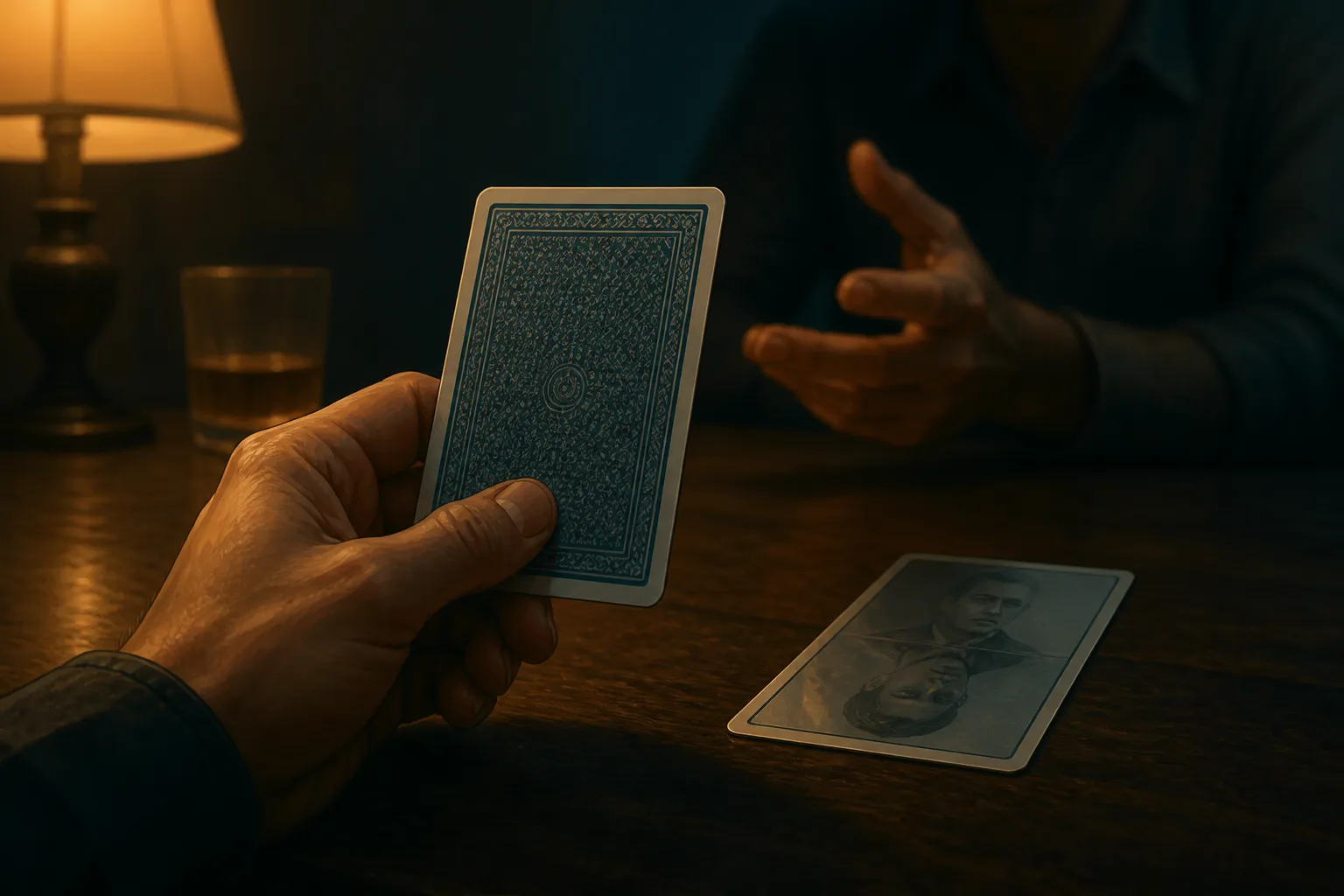
The Card in Your Hand
Choice blindness experiments suggest that people can confidently explain a choice they never made, raising questions about how much access we have to our own reasons.
By Lila Serrano

The Bulb That Keeps a Shared Memory
A light that no one else can watch must carry a precise meaning across days of silence, or the prisoners' claim cannot be trusted.
By Lila Serrano

The Wheel Keeps No Ledger
A run of twenty-six blacks at Monte Carlo tempted gamblers to bet on red, but independent spins owe nothing to what came before.
By Lila Serrano

The White Glove and the Raven
A familiar puzzle about confirmation asks whether an object unrelated to birds can still count as evidence that all ravens are black.
By Lila Serrano
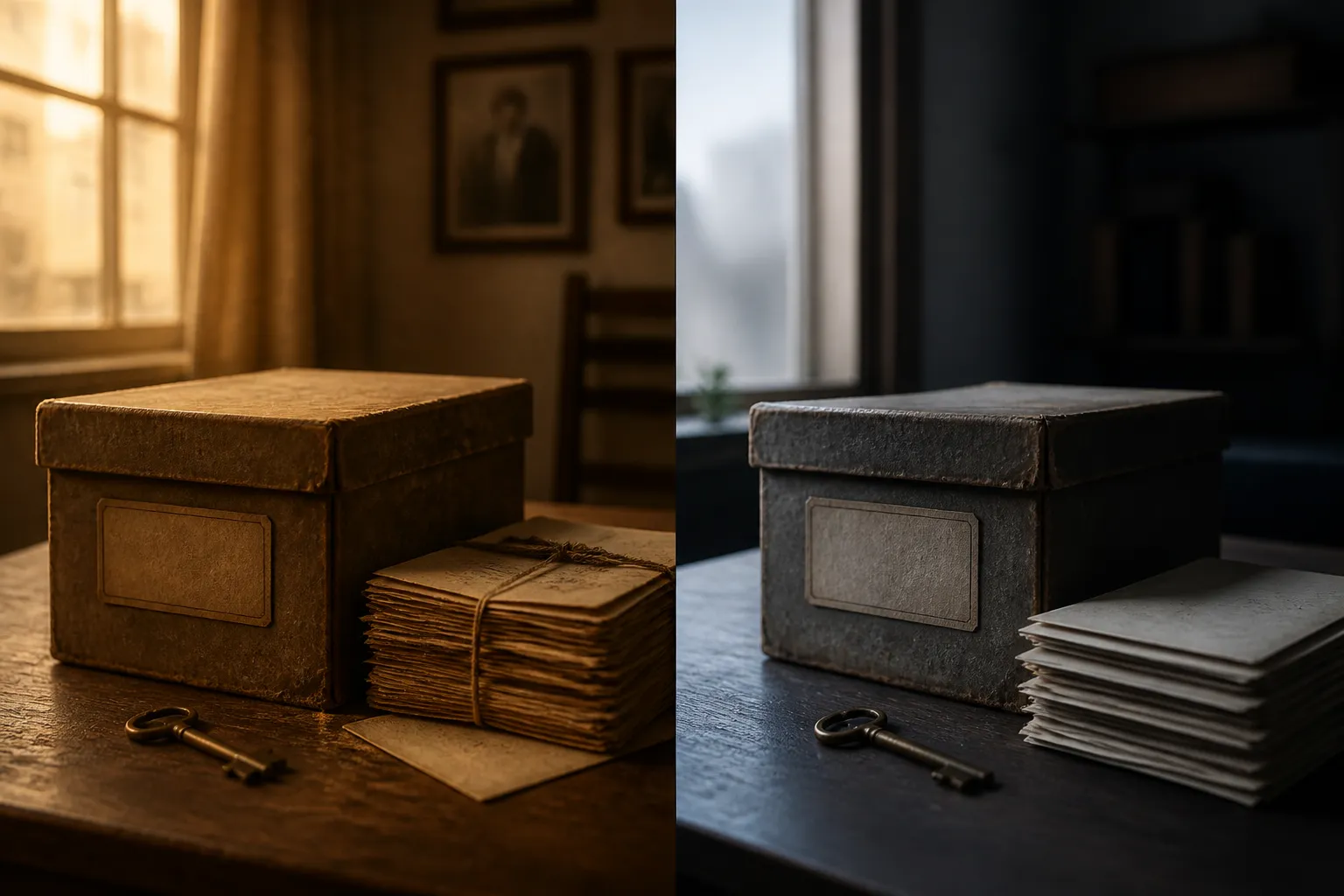
The Word That Moved Rooms
A repeated word can keep its spelling while its reference, sense, or emotional charge shifts, and readers may not notice the hinge until the argument has already settled.
By Lila Serrano

When Good Enough Is the Right Answer
Herbert Simon's idea of satisficing asks when a reasonable threshold serves a chooser better than an endless search for the best option.
By Lila Serrano

The Six-Word Note
A terse message can feel like a verdict on its sender, but the missing context often matters more than the words on the screen.
By Lila Serrano

The Board That Refuses to Be Covered
Two missing corners leave enough squares for every domino, yet a checkerboard's hidden color pattern makes a complete tiling impossible.
By Lila Serrano

The Door the Host Opens
A familiar probability puzzle turns on what the visible goat reveals about the process that produced it, and on who knew what before the reveal.
By Lila Serrano
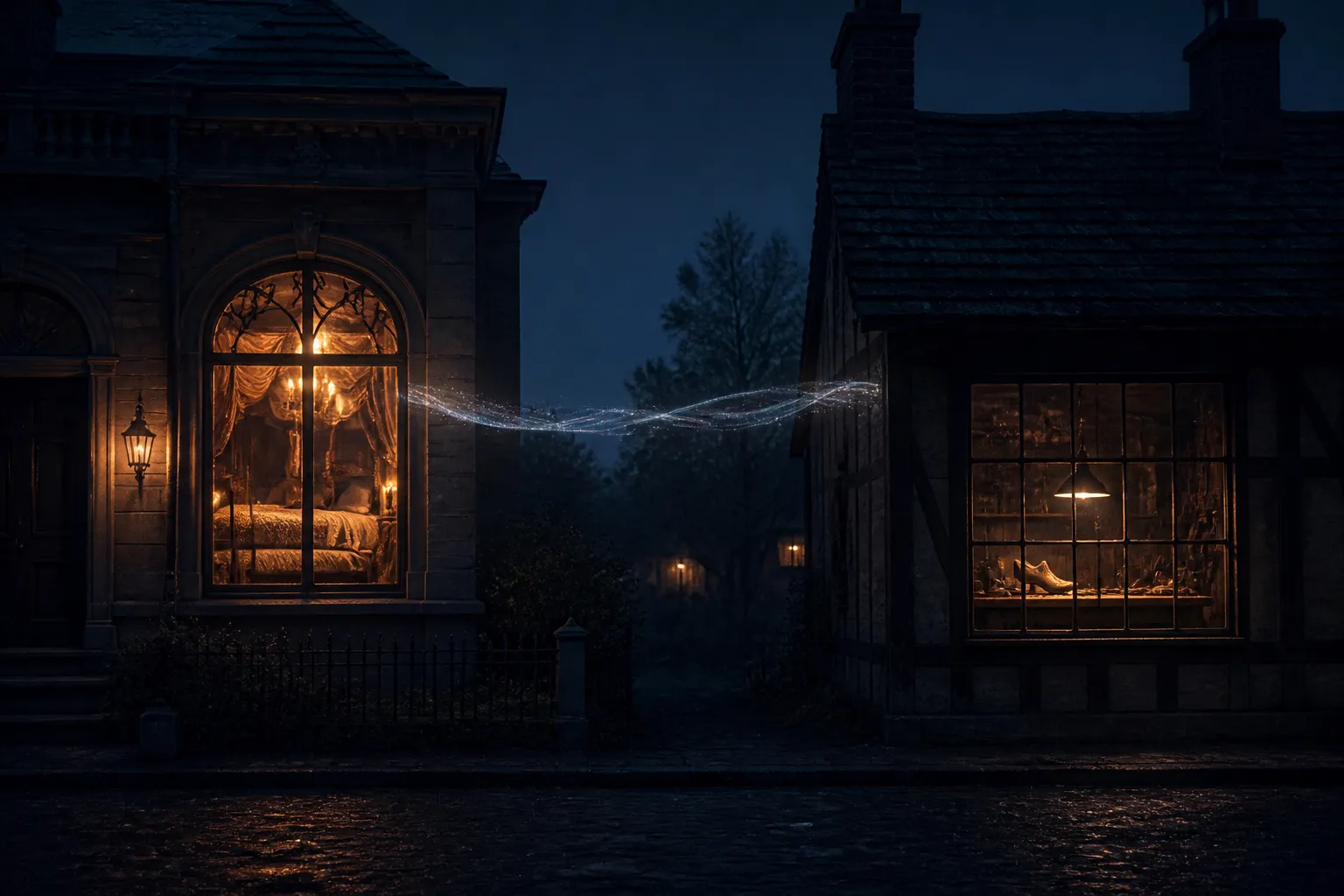
Two Houses, One Night: Who Wakes Up?
Locke's prince-and-cobbler puzzle asks whether a person is the living body or the memories it carries, and the answer splits the question open.
By Lila Serrano

Deciding How to Decide: What the Folder Asks First
Before weighing a choice's merits, a leader can learn more by asking whether it can be undone, what undoing it would cost, and how much damage a wrong call could do.
By Lila Serrano
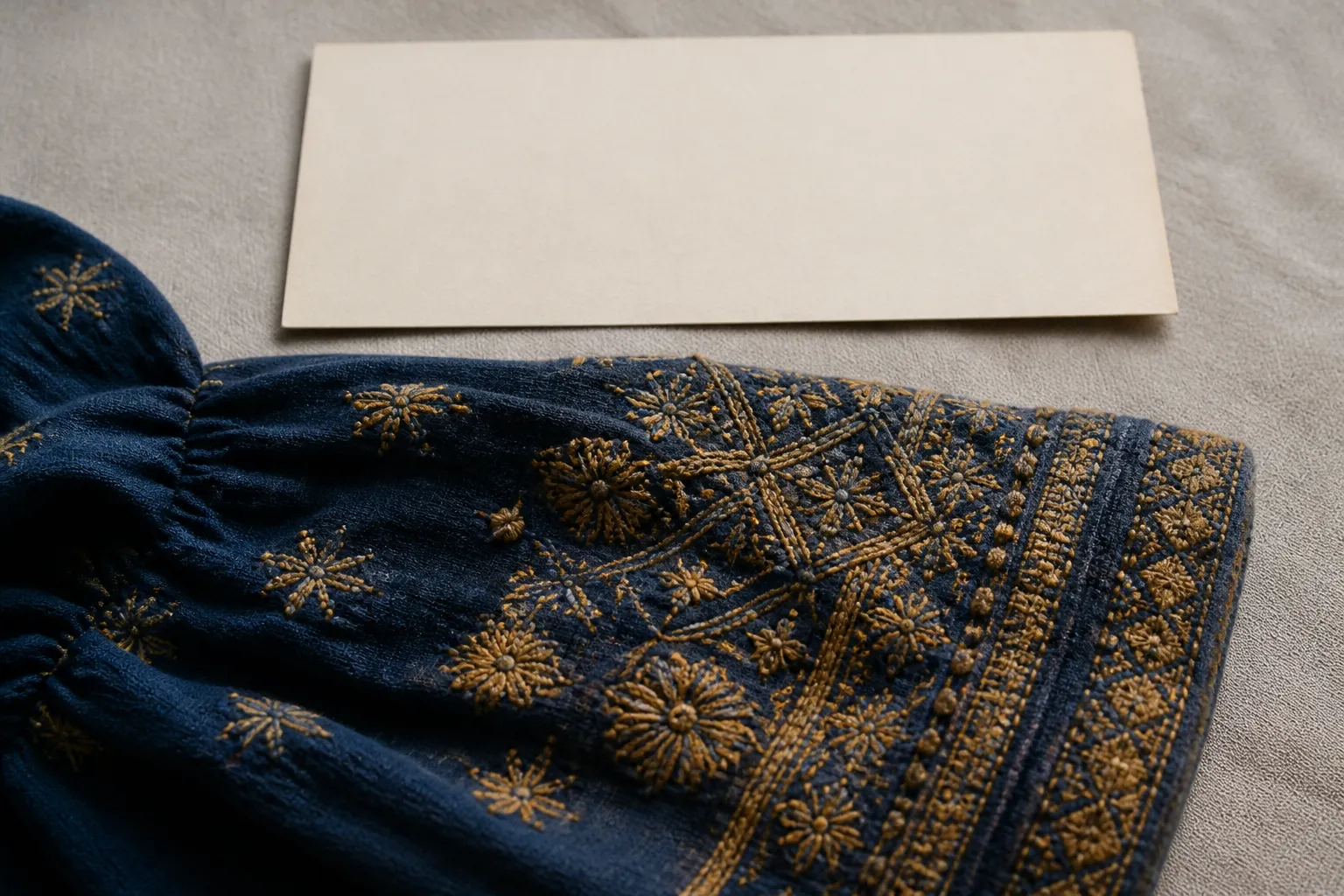
The First Line Before the Object
A catalog's opening words can shape how a viewer approaches an item, so cataloguers need to make those words accurate, attributed, and open about what the record cannot yet show.
By Lila Serrano

Twelve Coins, Three Weighings, and the 24 Cases
Counting outcomes shows why three weighings is the minimum for twelve coins, and Dyson's labelling shows how a fixed plan covers every case.
By Lila Serrano
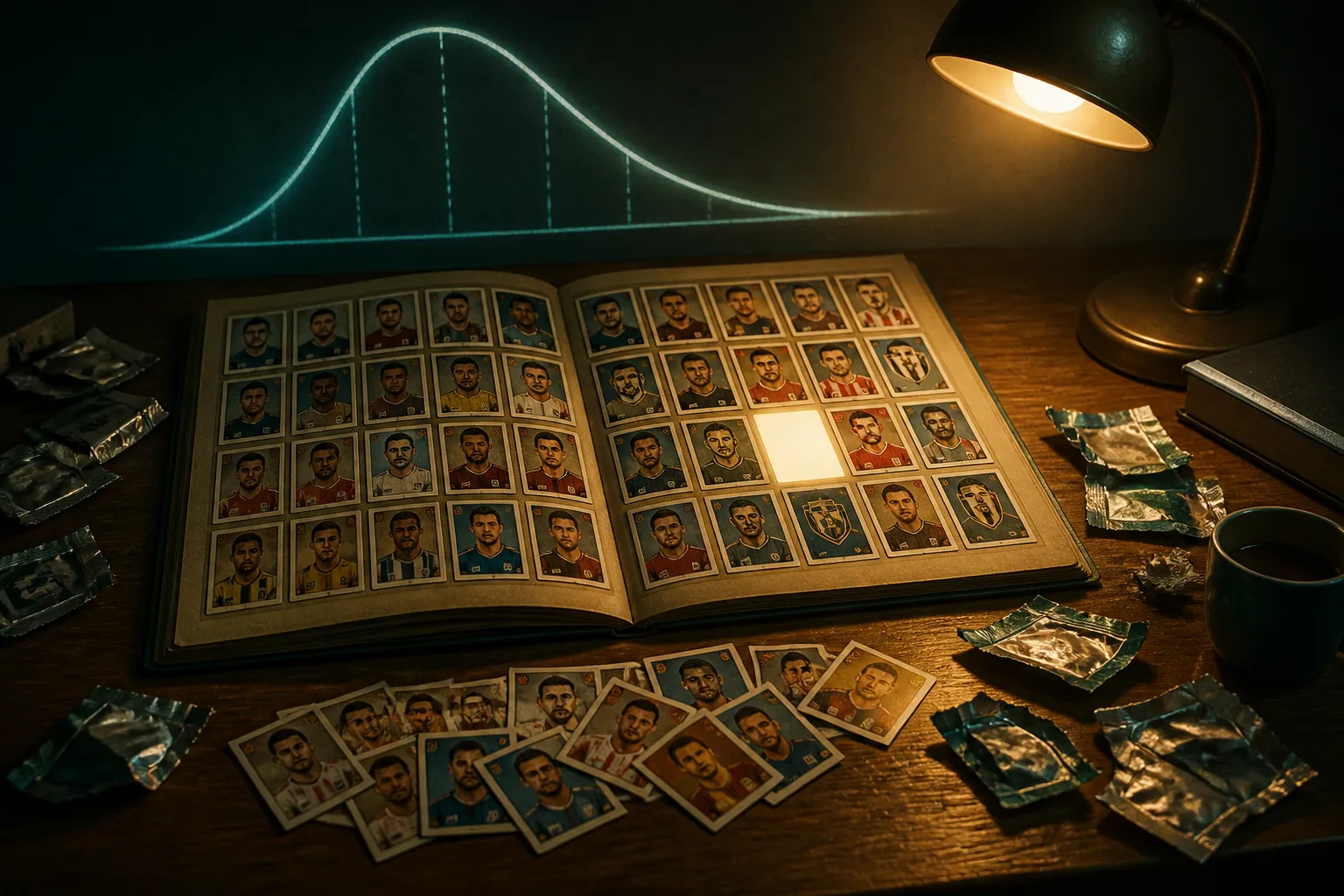
The Last Blank Square
As a sticker album fills, random packets mostly return duplicates, so the final missing card becomes a lesson in how odds narrow over time.
By Lila Serrano
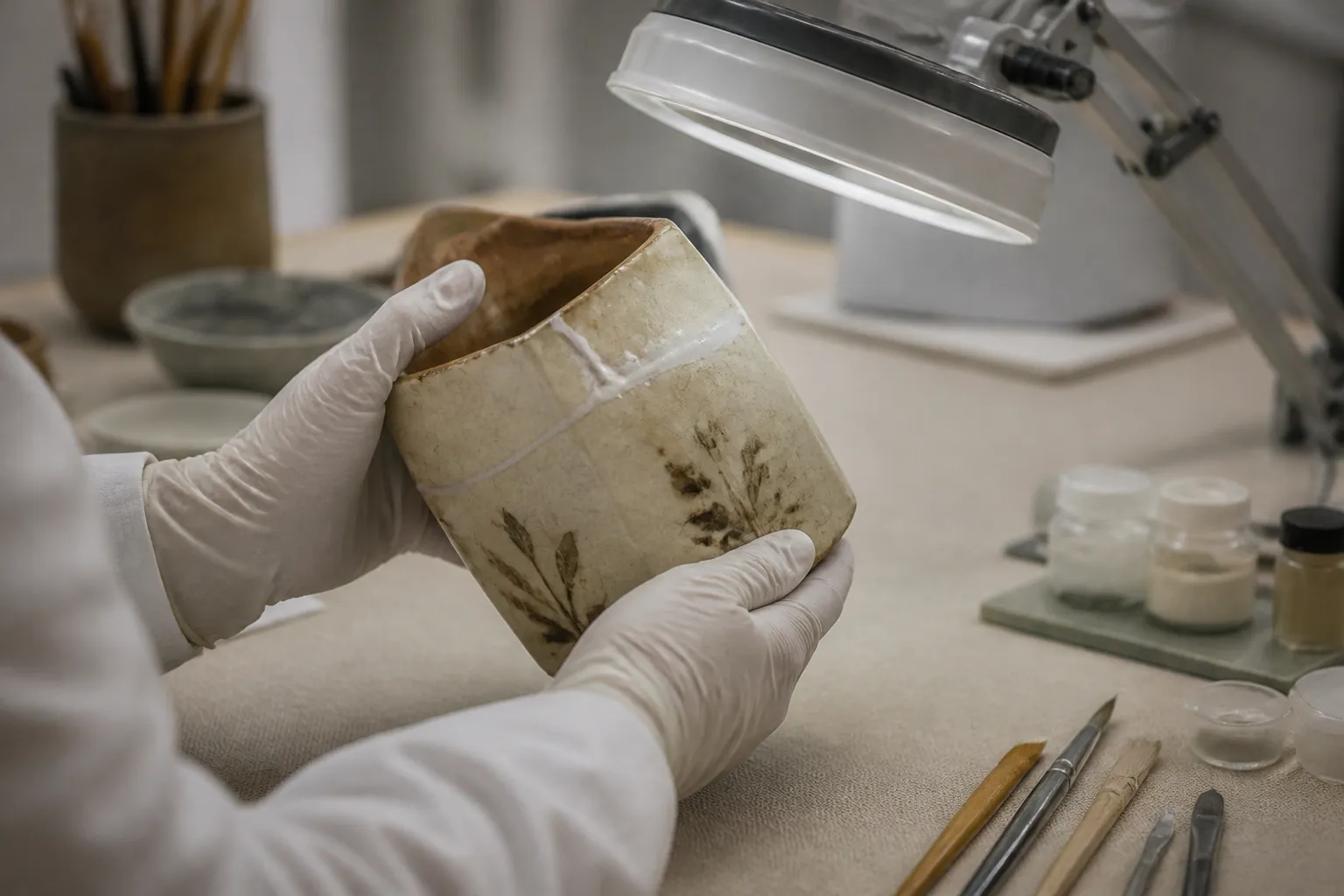
Where the Repair Begins to Remake the Object
Each replaced part of a museum artifact raises the question of when conservation stops preserving an object and starts making a different one.
By Lila Serrano
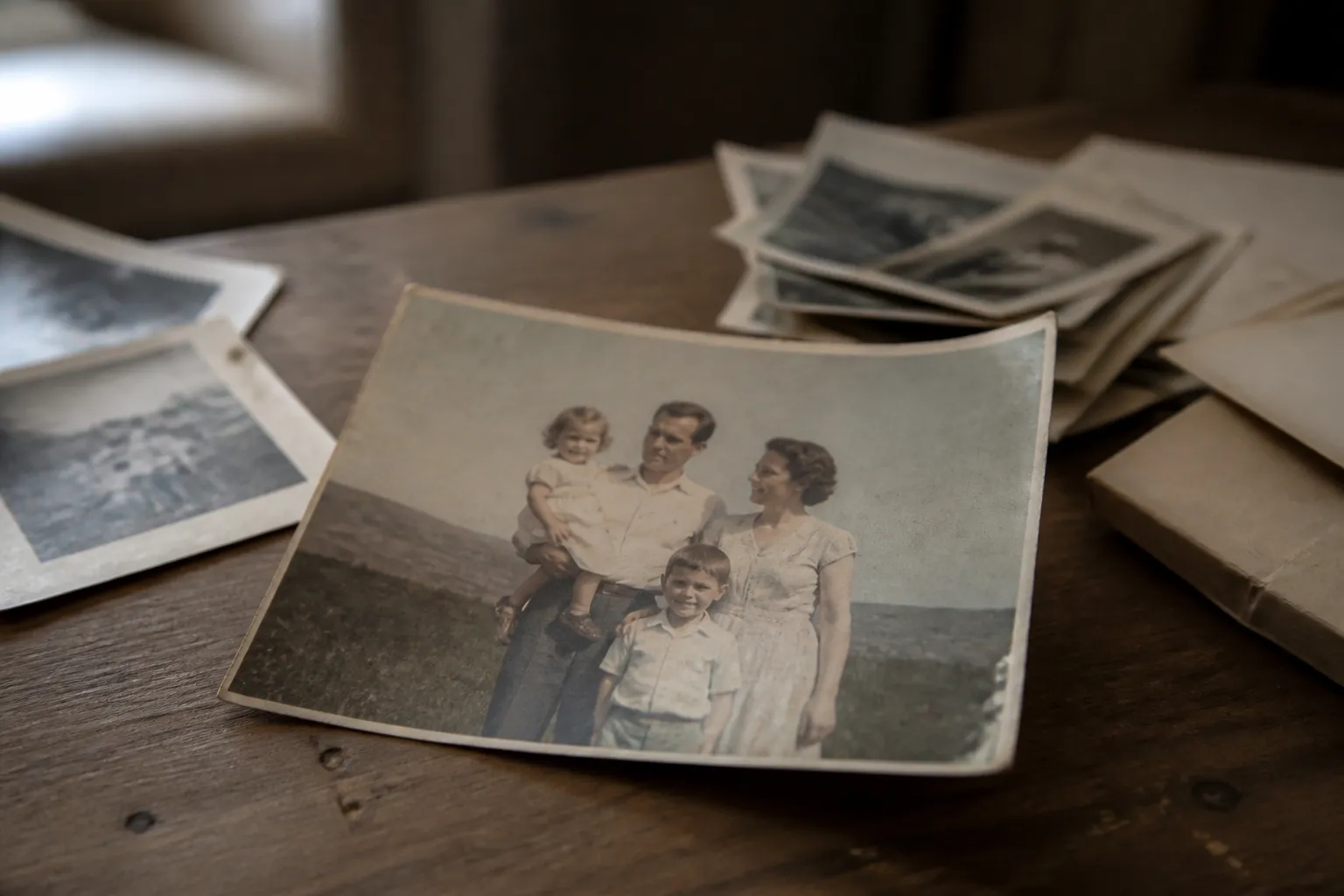
What One Photograph Can and Cannot Prove
A family snapshot can preserve a vivid moment, but turning that moment into a claim about everyone requires far more care than the picture alone can provide.
By Lila Serrano
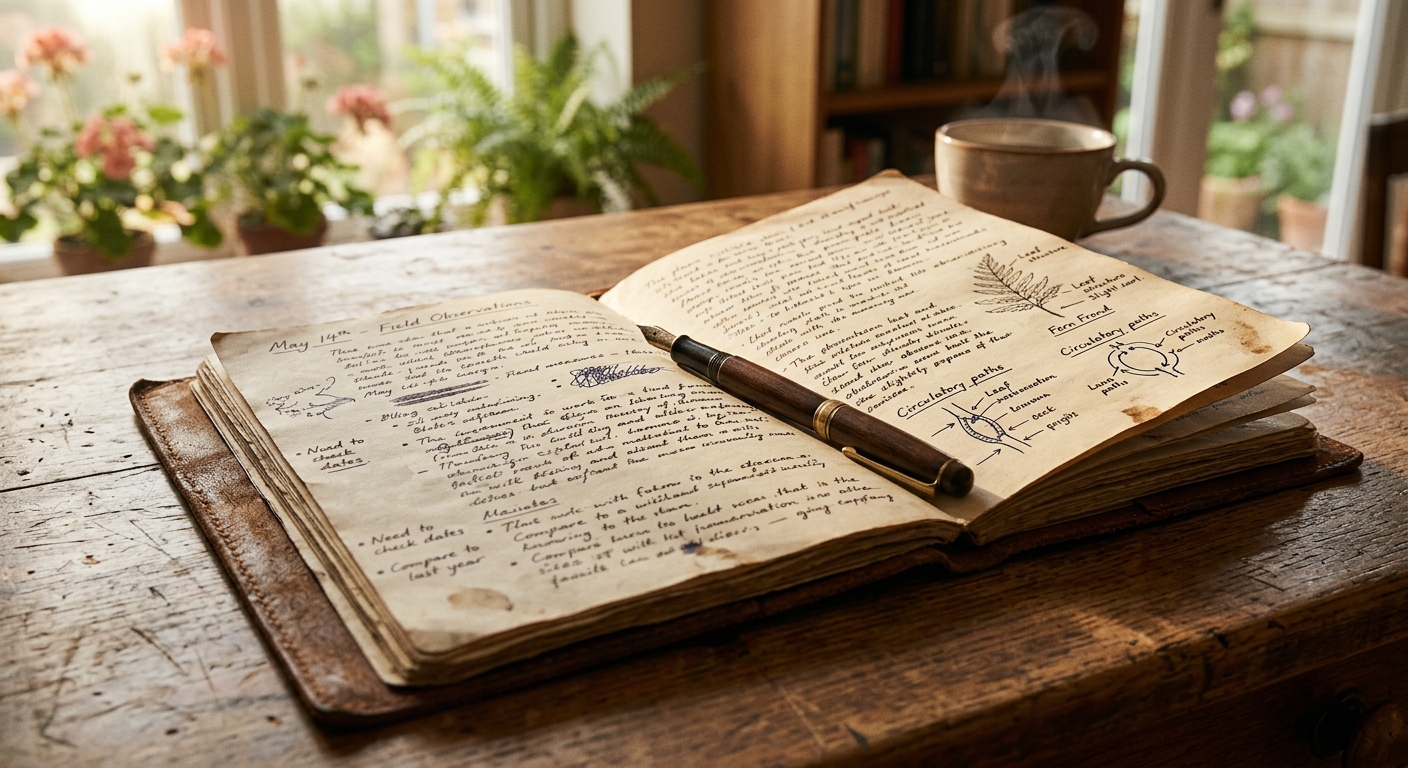
A Time Capsule for Decisions
A dated record of what you knew, feared, and expected can help you judge a choice without letting its outcome rewrite the past.
By Lila Serrano