Articles
The reading room.
Longer pieces on logic, argument, reasoning and how decisions get made.
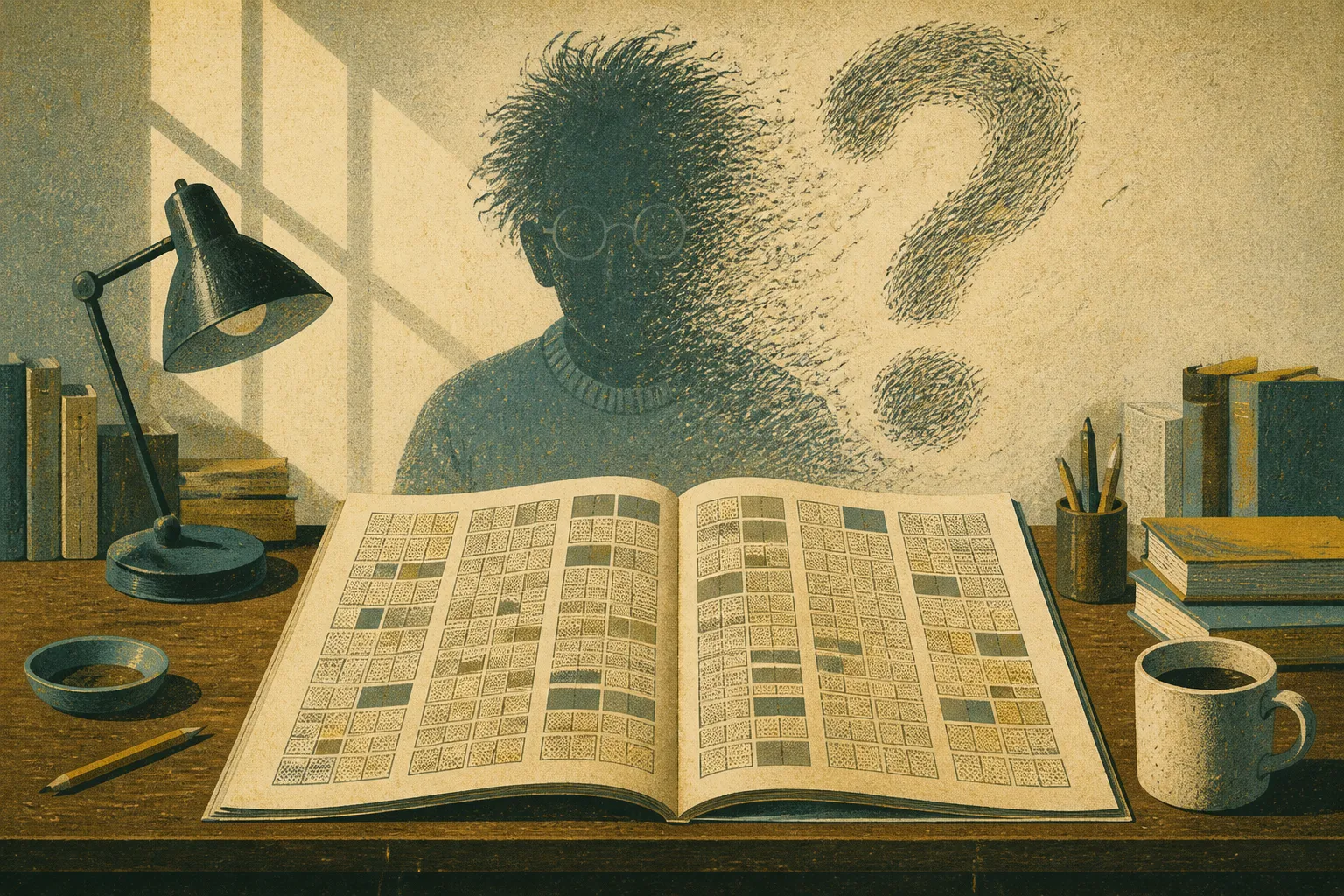
Einstein's Riddle: The Legend and the 1962 Magazine Page
The famous five-house logic puzzle has no documented link to Einstein. Its earliest known appearance is a 1962 issue of Life International, and its author is still unknown.
By Siobhan O'Reilly

The Jam Table Problem and the Limits of a Famous Experiment
A 2000 study of tasting booths became a case for choosing less, but the wider evidence points to something more conditional.
By Marcus Adeyemi-Holt

A Shortcut That Slows Everyone: Braess's Paradox and the Limits of the Map
A small traffic model shows how a new connector can leave every driver worse off, and why the result is a reason to ask harder questions about road proposals rather than a verdict on any particular road.
By Lila Serrano
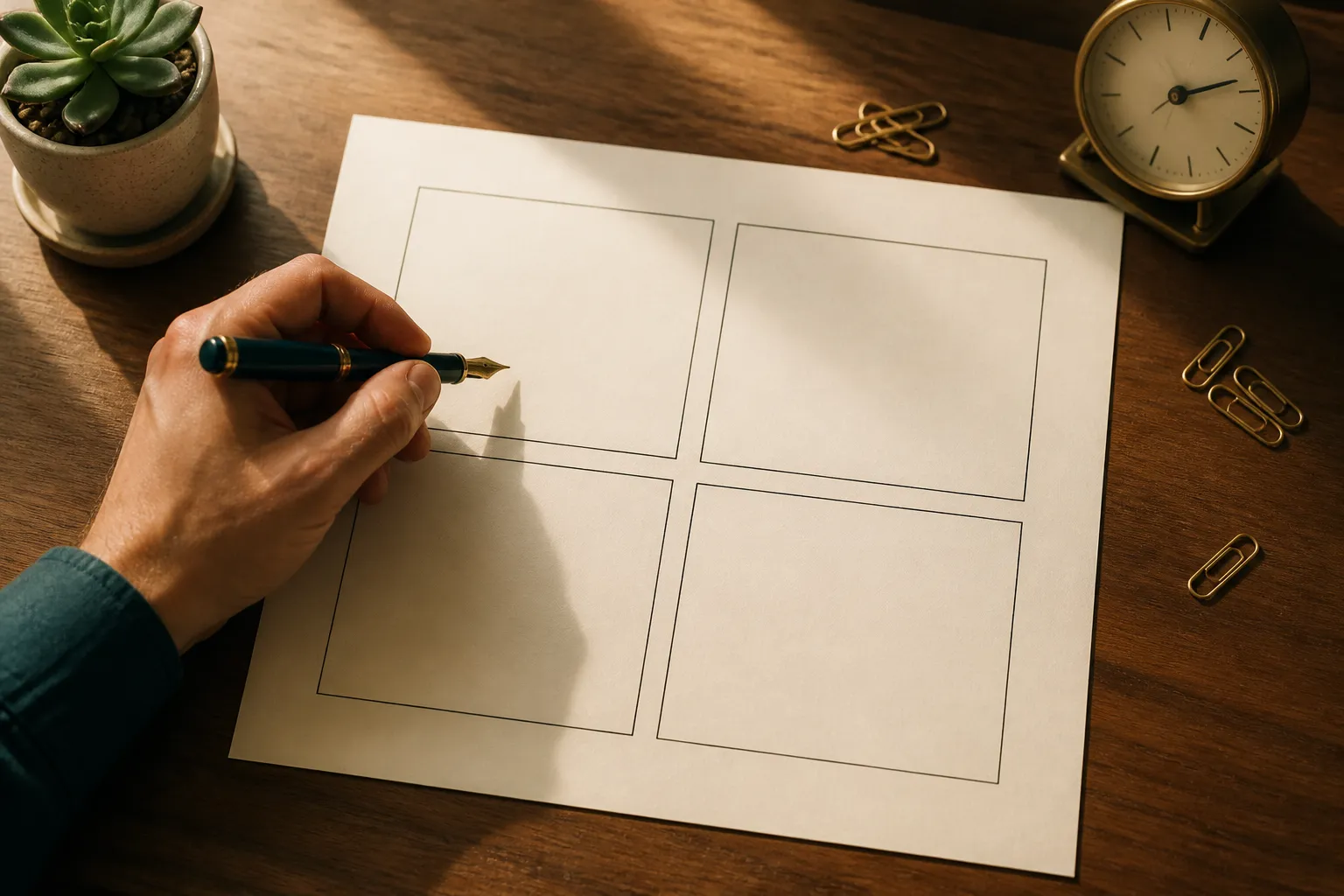
The Grid on the Desk: What the Eisenhower Matrix Sorts and What It Leaves Unsorted
A tidy two-by-two for separating urgent work from important work, resting on a famous attribution and a product blog's confident claims that the evidence here does not yet support.
By Marcus Adeyemi-Holt
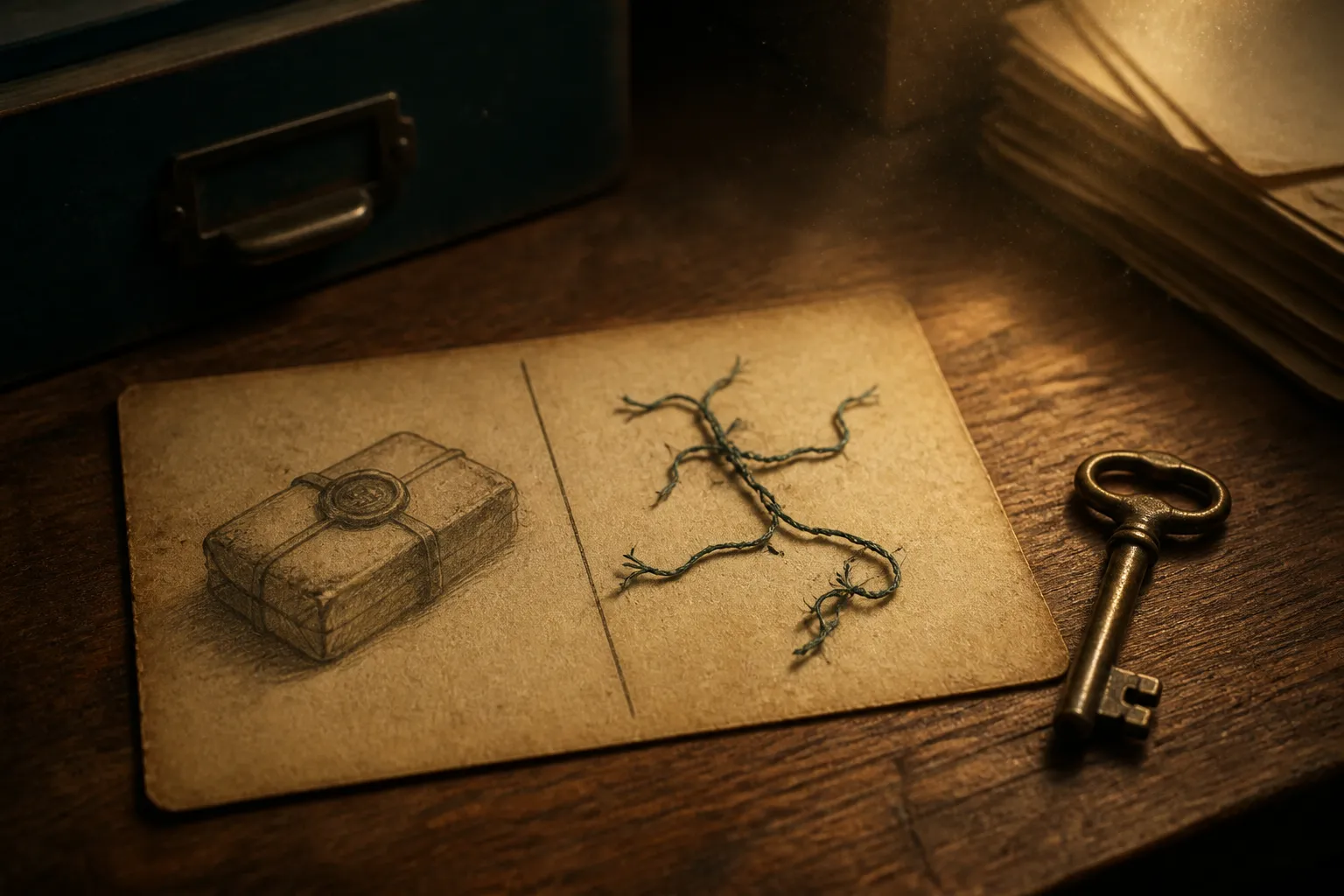
Two Entries on the Same Card
A flawed argument shows that its support is weak, not that its conclusion is false, so the claim needs its own examination.
By Lila Serrano

The Bias You Cannot See in Yourself
A 2015 study found that nearly everyone rates themselves as less biased than their peers, and that intelligence does little to close the gap.
By Marcus Adeyemi-Holt

The Penciled Date and the Decision It Serves
More information is only worth seeking when it could still change the choice in front of you.
By Lila Serrano

If You Could Undo the Past, Who Gets Wiped From the Map?
National averages show factory jobs falling while total employment rose, but they cannot say which people or places a rewind would erase. Saint Paul's Rondo neighborhood shows what the stakes look like.
By Siobhan O'Reilly
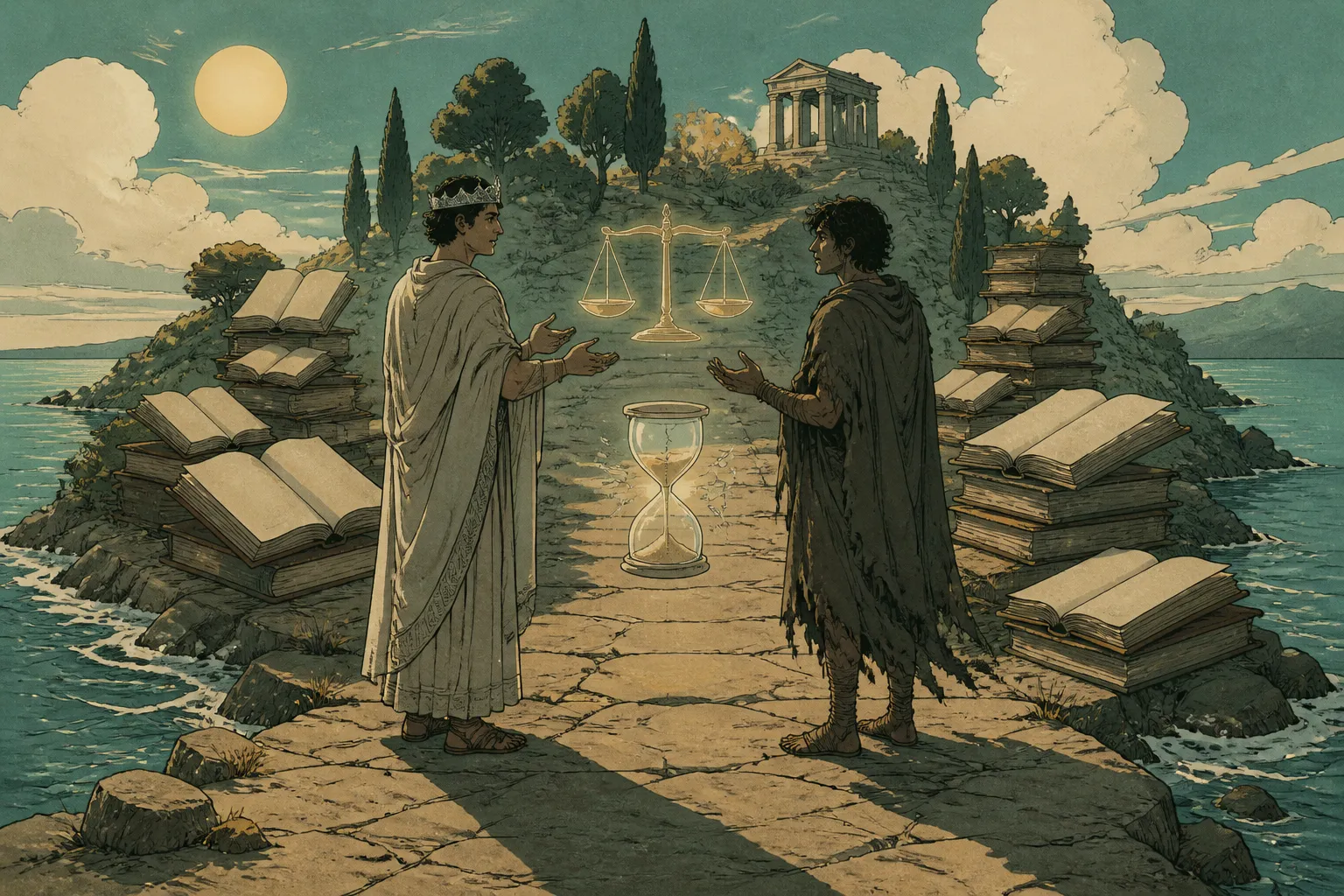
Knights, Knaves, and How to Test What a Stranger Says
A puzzle genre built on two rules gives you a few simple checks, a worked example, and one case with no fixed answer.
By Marcus Adeyemi-Holt
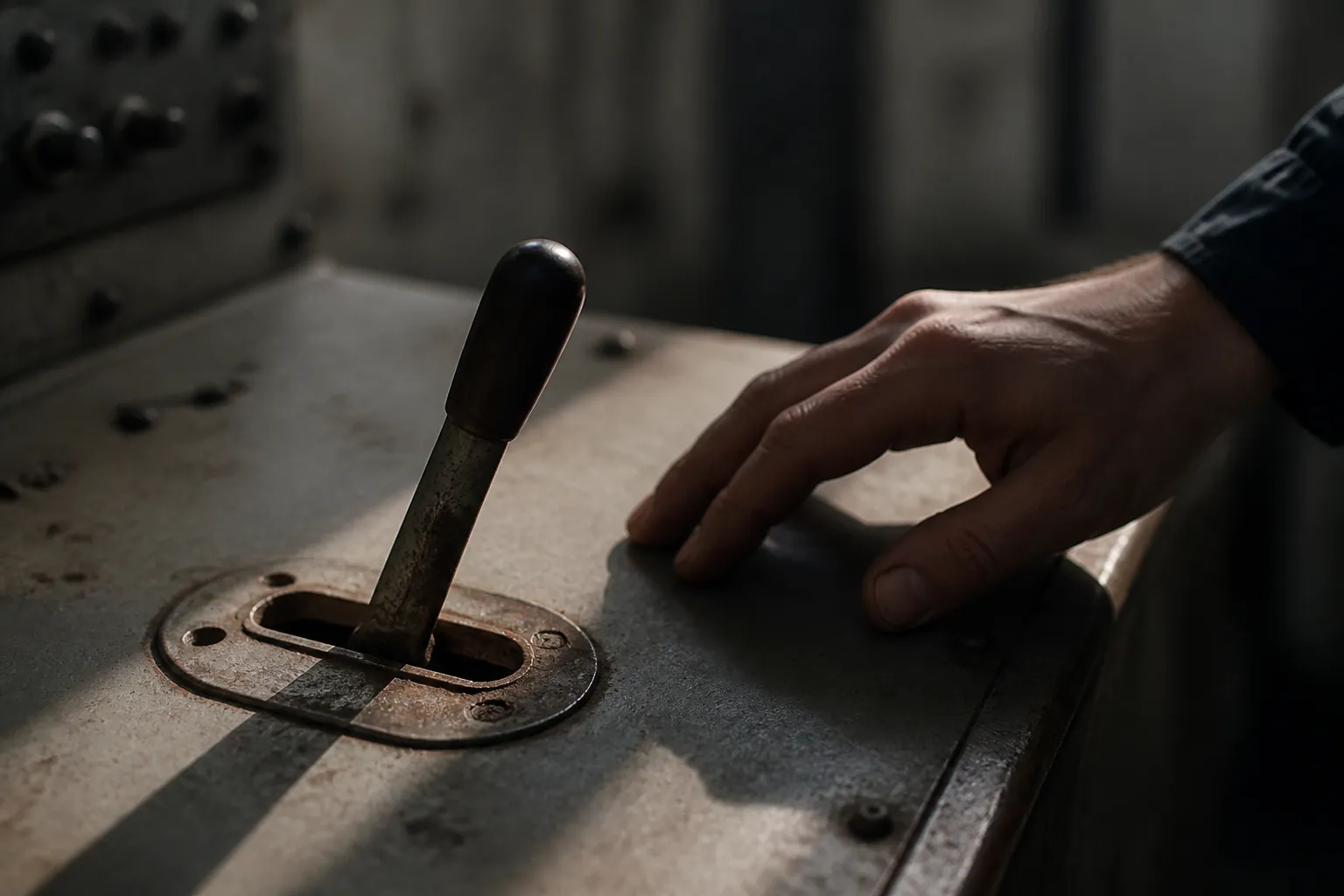
The Hand Beside the Lever
Omission bias suggests people often judge harm caused by acting more harshly than the same harm caused by failing to act, though the early evidence leaves much unsettled.
By Lila Serrano

Regret Theory: How Expected Regret Shapes Choices
Regret theory says people anticipate how a wrong call will feel and let that expectation steer decisions, sometimes away from the best expected value.
By Siobhan O'Reilly

Waking Up to the Question Beneath the Coin
The Sleeping Beauty puzzle rests on older questions about self-location, belief, and what it means to assign a probability at all.
By Marcus Adeyemi-Holt

The Lockers That Refuse to Close
A hundred doors, a line of students, and a counting argument that explains why only the perfect squares stay open.
By Lila Serrano

Russell's Paradox and the Rulebook That Saved Set Theory
A 1901 self-referencing trap showed that not every description can define a set, and the axioms written in response still frame set theory today.
By Siobhan O'Reilly
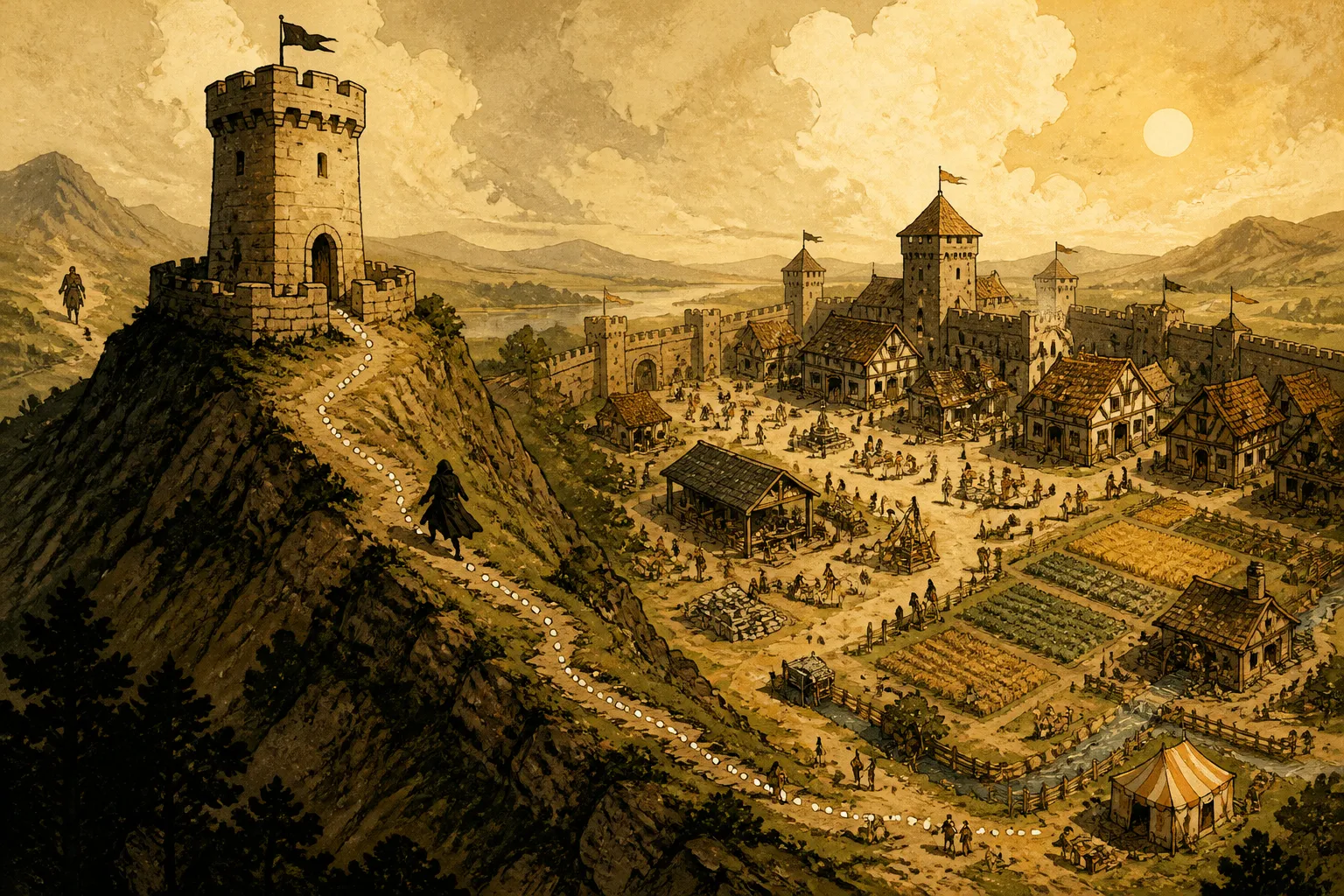
The Castle Trick: How a Bold Claim Hides Behind a Modest One
A motte-and-bailey move lets a speaker retreat to a safe claim under pressure, then reclaim the bold one later. The accusation can also be misapplied.
By Marcus Adeyemi-Holt
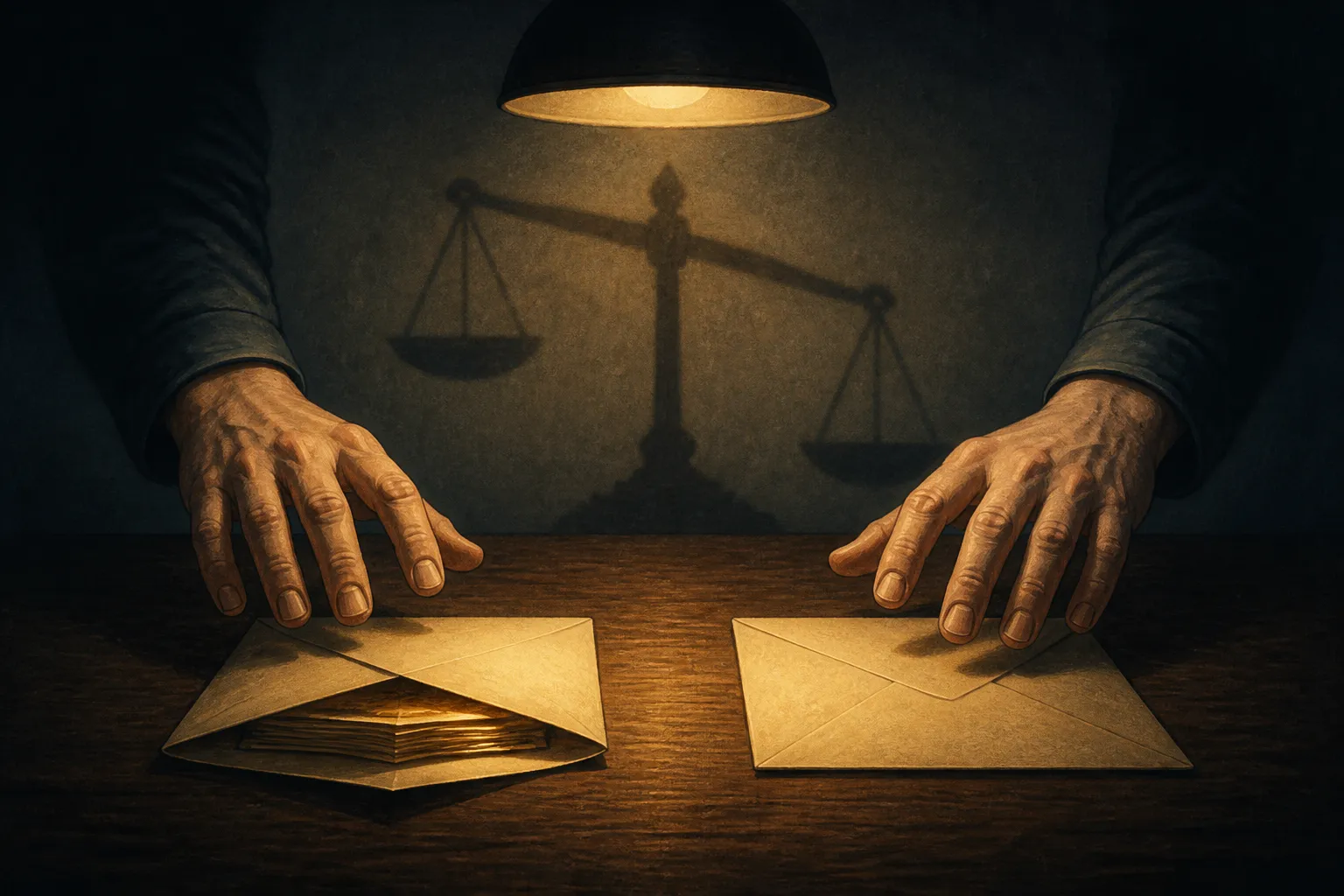
The Envelope That Keeps Asking to Be Switched
A tidy expected-value calculation promises a quarter more from swapping envelopes, and the puzzle lies in whether that promise rests on a hidden assumption about how the amounts were chosen.
By Lila Serrano

Quiet Rooms and Pencils: How the Delphi Method Gathers Expert Judgment
Delphi puts experts through anonymous rounds of questions and feedback. It can blunt the loudest voice in the room, but the result depends on choices made before the first answer.
By Marcus Adeyemi-Holt

The Historian Who Trusts Every Entry and Expects One to Be Wrong
A student reasons that a promised surprise test is impossible. The argument rests on one assumption, and a historian's habits help find it.
By Lila Serrano

The Sign at the End of My Street
A familiar warning about children has never needed proof, and research on repetition suggests why it still feels true.
By Marcus Adeyemi-Holt

The Card Is Not the Object
Where a claim comes from can direct our scrutiny, but only the evidence and reasoning behind it can settle whether it holds.
By Lila Serrano

The Stack That Teaches You to Plan Backward
The Tower of Hanoi looks like a toy, but its rules and its move count quietly teach recursion and the cost of exponential growth.
By Marcus Adeyemi-Holt
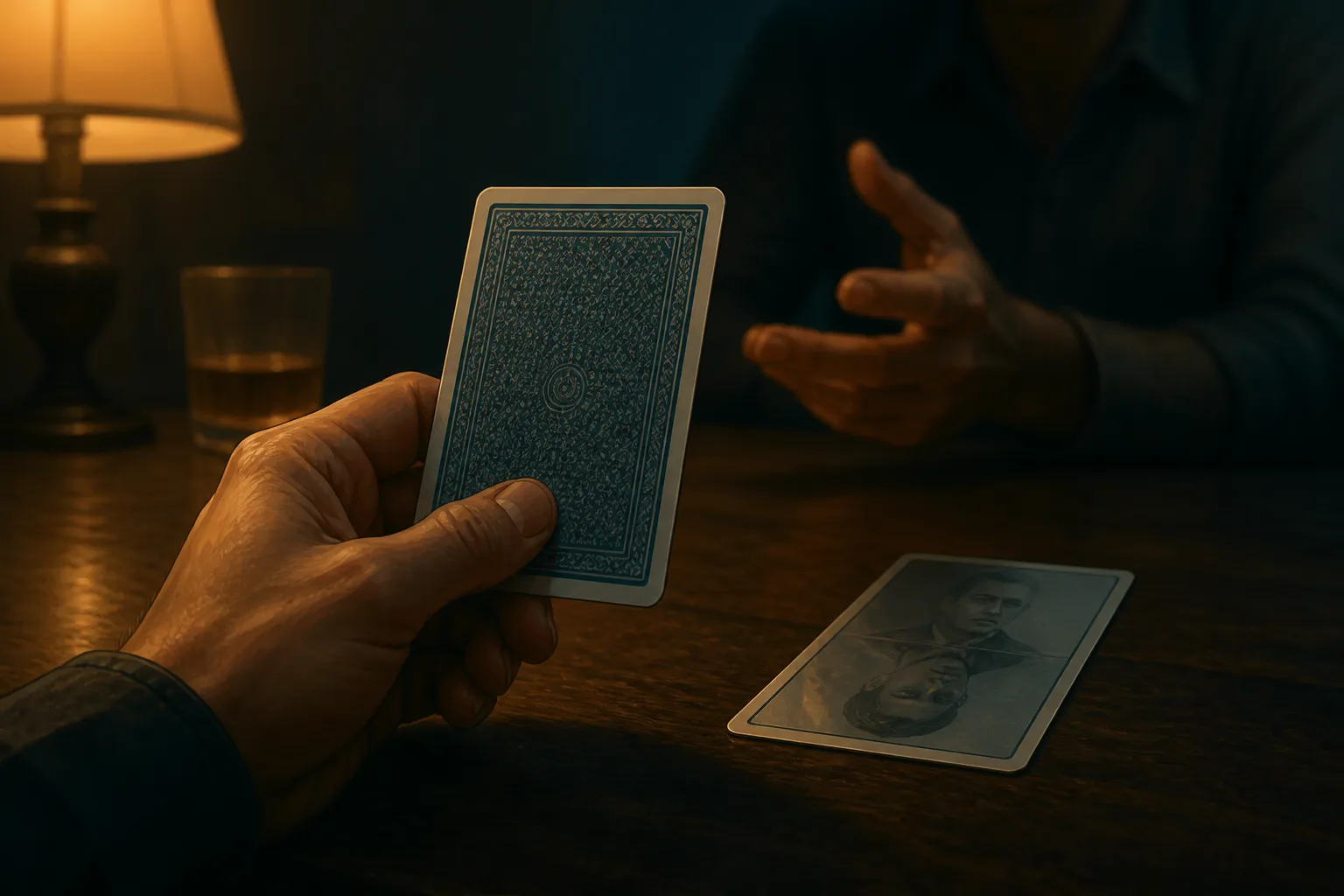
The Card in Your Hand
Choice blindness experiments suggest that people can confidently explain a choice they never made, raising questions about how much access we have to our own reasons.
By Lila Serrano

The Total That Disagrees With Its Parts
Simpson's paradox shows how a pooled figure can reverse every subgroup comparison that produced it, and why the weights matter more than the arithmetic.
By Marcus Adeyemi-Holt

The Bulb That Keeps a Shared Memory
A light that no one else can watch must carry a precise meaning across days of silence, or the prisoners' claim cannot be trusted.
By Lila Serrano

The Calendar That Empties Itself
A tidy logical proof seems to rule out a surprise test that ordinary experience says can still happen, and the gap between the two is where the puzzle lives.
By Marcus Adeyemi-Holt
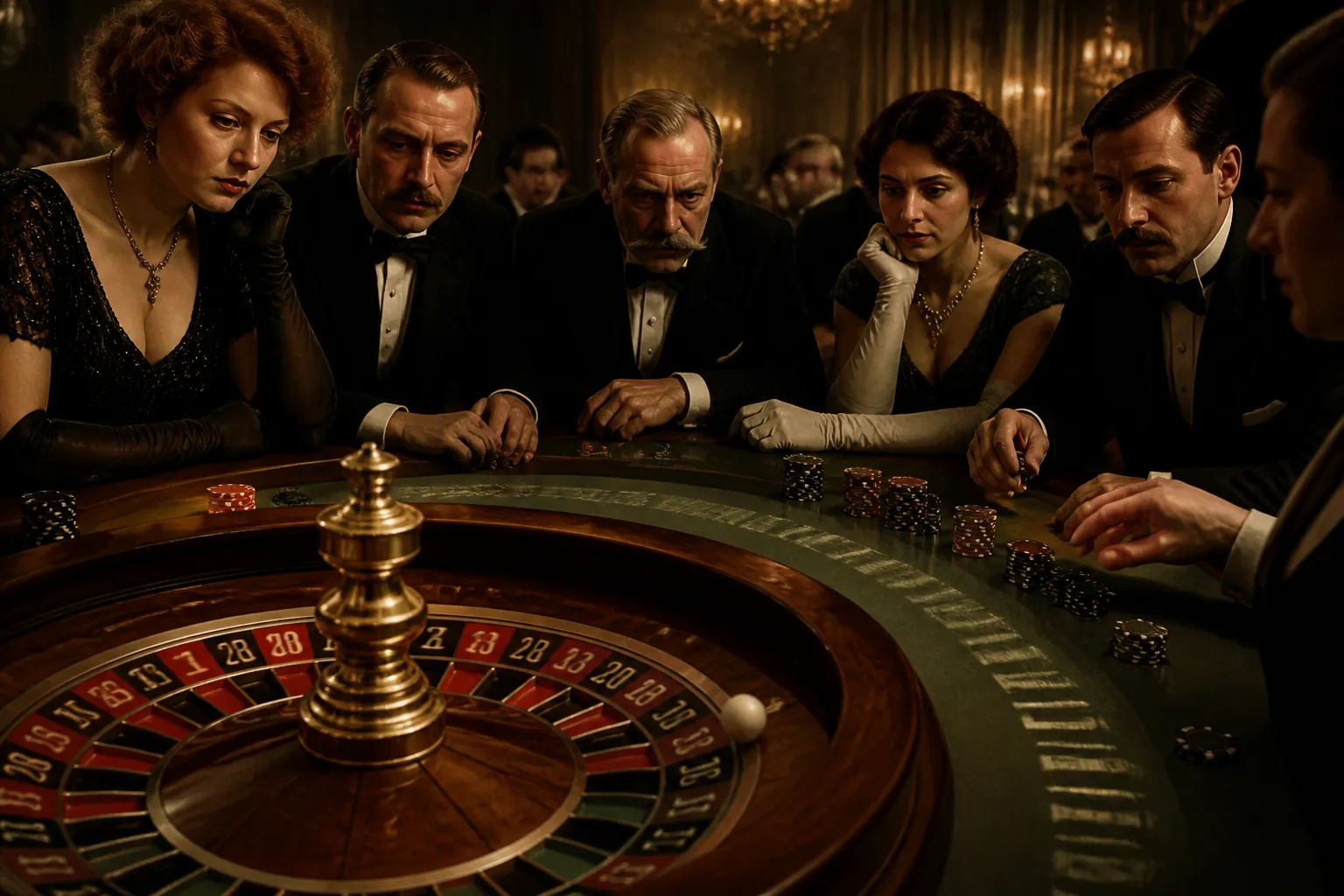
The Wheel Keeps No Ledger
A run of twenty-six blacks at Monte Carlo tempted gamblers to bet on red, but independent spins owe nothing to what came before.
By Lila Serrano

When the Countdown Jumps: Ambiguity Aversion at the Transit Stop
Riders may tolerate a long wait more easily than a countdown that changes without explanation, but the evidence for real-time screens is thinner and older than vendors suggest.
By Siobhan O'Reilly

The Old High Street and the Problem of What Survived
Survivorship bias may explain part of why old buildings look so good, but the evidence cannot yet say how much.
By Marcus Adeyemi-Holt

The White Glove and the Raven
A familiar puzzle about confirmation asks whether an object unrelated to birds can still count as evidence that all ravens are black.
By Lila Serrano

Check the Frame Before You Swing
Teams often rush to fix problems they have not defined well. A few simple checks can make the starting question a deliberate choice, without stalling the work.
By Siobhan O'Reilly

The Mast and the Paperwork
Odysseus's ropes make a good story, but a working precommitment needs four features, a named proxy, and a review date before anyone relies on it.
By Marcus Adeyemi-Holt

The Word That Moved Rooms
A repeated word can keep its spelling while its reference, sense, or emotional charge shifts, and readers may not notice the hinge until the argument has already settled.
By Lila Serrano

The Data That Lies to Your Face: How to Read a Statistic
Most misleading numbers are real. They go wrong when context is dropped, comparisons do not match, or uncertainty is hidden.
By Siobhan O'Reilly

The Steps That Disappear
Expertise can hide its own steps from the people who hold it. Asking a beginner to explain it back is one way to find them.
By Marcus Adeyemi-Holt

When Good Enough Is the Right Answer
Herbert Simon's idea of satisficing asks when a reasonable threshold serves a chooser better than an endless search for the best option.
By Lila Serrano

The Cold Argument Is Plausible but Unproven
Fewer winter deaths could offset some summer ones. The heat data is large and documented, but the cold side has not been sized in the sources reviewed.
By Siobhan O'Reilly
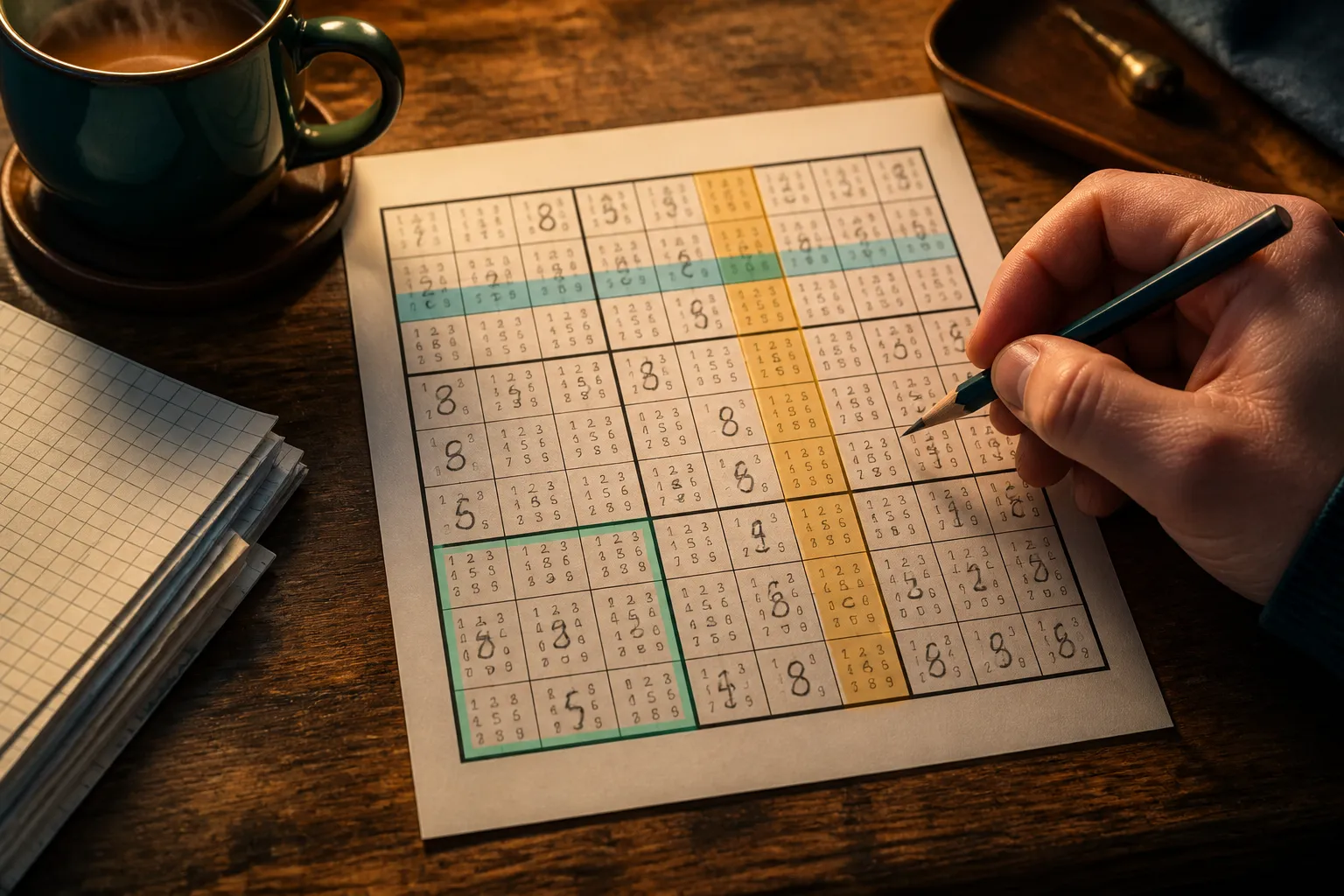
The Bookkeeping Behind Every Sudoku Solve
Fast solvers rarely get lucky; they track what each empty cell is still allowed to hold, and let those constraints do the work before any guess is made.
By Marcus Adeyemi-Holt

The Six-Word Note
A terse message can feel like a verdict on its sender, but the missing context often matters more than the words on the screen.
By Lila Serrano

Why We Keep Scrolling Bad News, and What the Evidence Says
Doomscrolling has real pull. The research suggests algorithms mostly reinforce existing drivers, and it leaves open how much each one contributes.
By Siobhan O'Reilly

The Hot Hand Fallacy May Be the Math's Fault
A selection bias in how streaks are counted could mean the famous 1985 verdict against the hot hand rested on a miscalculated baseline.
By Marcus Adeyemi-Holt

The Board That Refuses to Be Covered
Two missing corners leave enough squares for every domino, yet a checkerboard's hidden color pattern makes a complete tiling impossible.
By Lila Serrano

The Ghost Still Steering the Ship
A correction can be accepted and the false belief can still shape later judgment. What the research says about why, what might help, and what remains unmeasured.
By Siobhan O'Reilly

The Old Place on the Corner
A sixty-year-old machine shop has changed nearly every part it owns, so the real question is which feature of the firm we are actually willing to call the same.
By Marcus Adeyemi-Holt

The Door the Host Opens
A familiar probability puzzle turns on what the visible goat reveals about the process that produced it, and on who knew what before the reveal.
By Lila Serrano

The Crocodile Dilemma: A Promise No Choice Can Keep
A crocodile offers to return a child if the parent predicts its next move. One prediction leaves the promise impossible to keep, and the sources offer no resolution.
By Siobhan O'Reilly
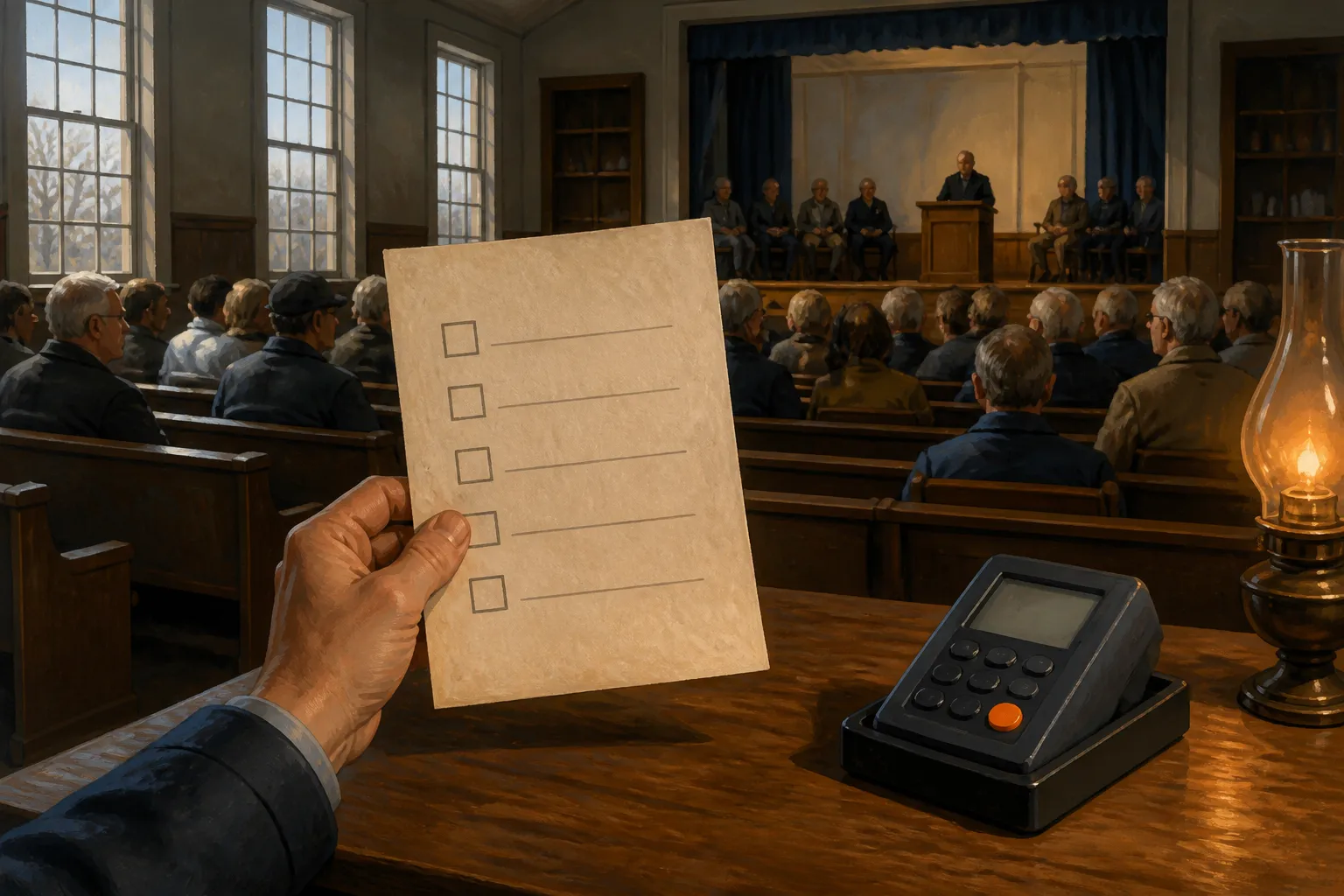
The Weight of the Way Things Have Always Been
Concord's Town Meeting tests whether a practice's age is a reason to keep it, or only a reason to ask what it still does.
By Marcus Adeyemi-Holt
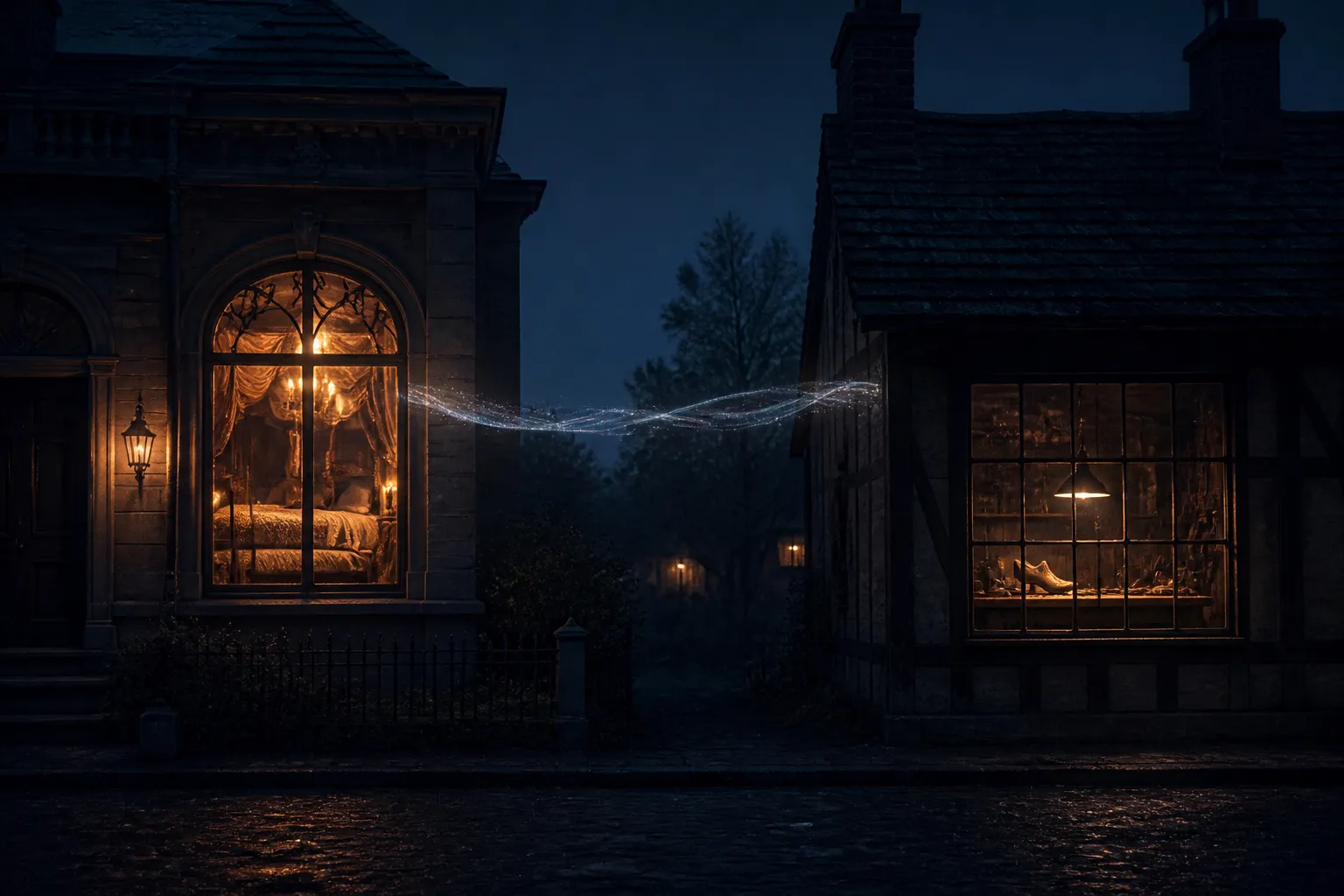
Two Houses, One Night: Who Wakes Up?
Locke's prince-and-cobbler puzzle asks whether a person is the living body or the memories it carries, and the answer splits the question open.
By Lila Serrano
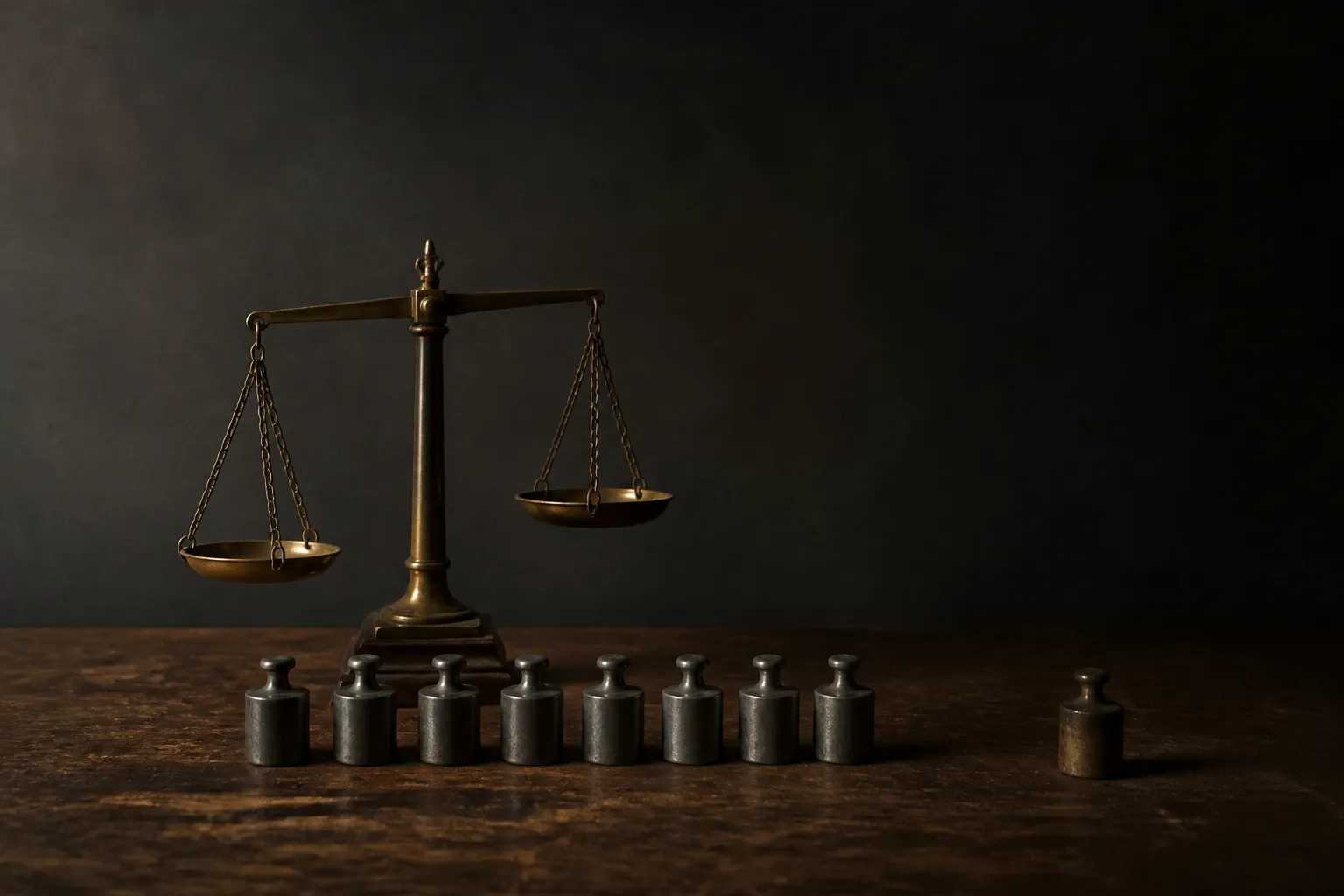
Twelve Coins, Three Weighings: The Balance Puzzle and Its Real-World Cousin
A balance scale can find one odd unit among twelve in three weighings, but regulators checking net contents work from samples instead.
By Siobhan O'Reilly
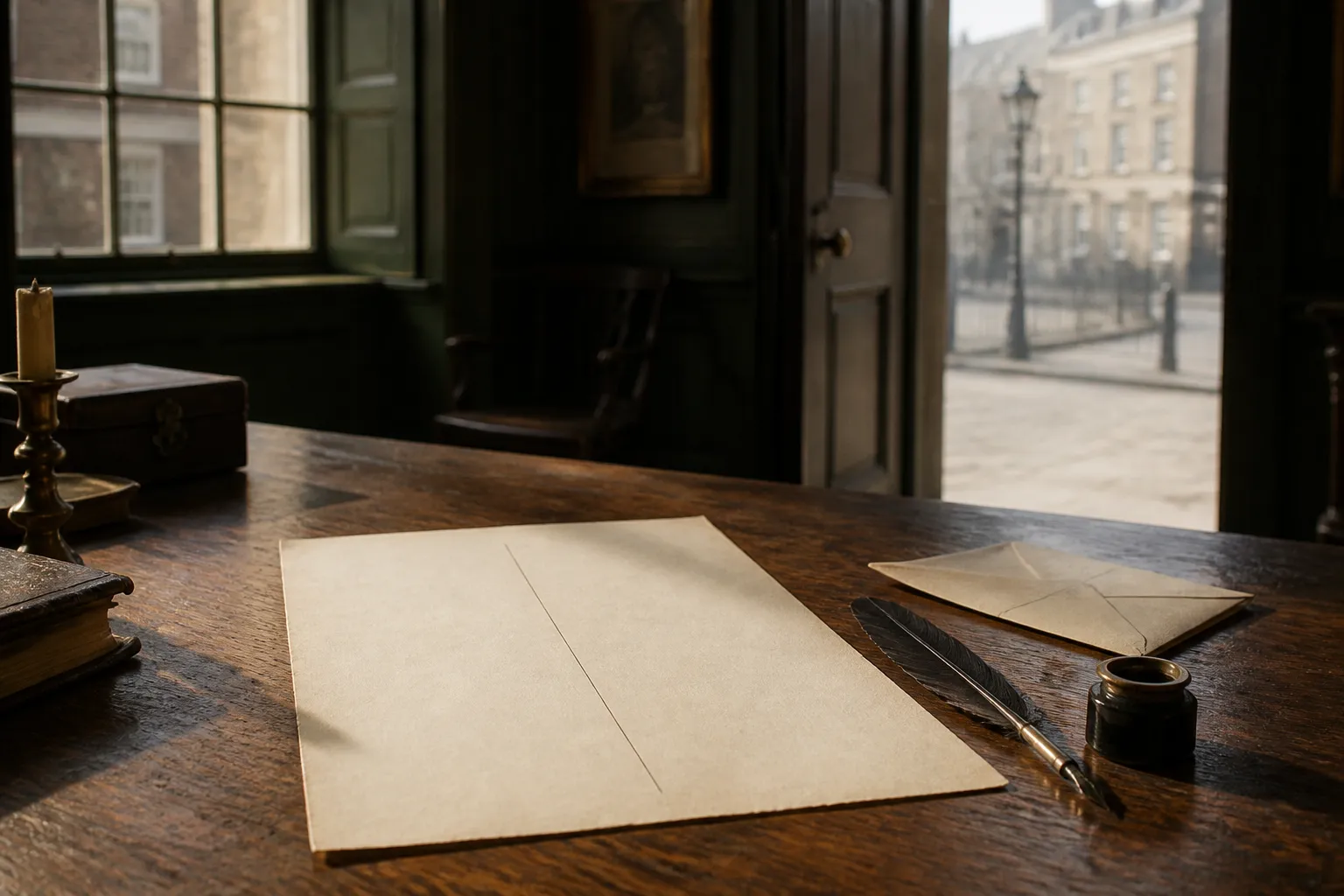
Franklin's Moral Algebra, Written Out on Half a Sheet
In 1772 Benjamin Franklin gave a worried friend a two-column method for weighing a major decision, and its quiet logic still holds up.
By Marcus Adeyemi-Holt
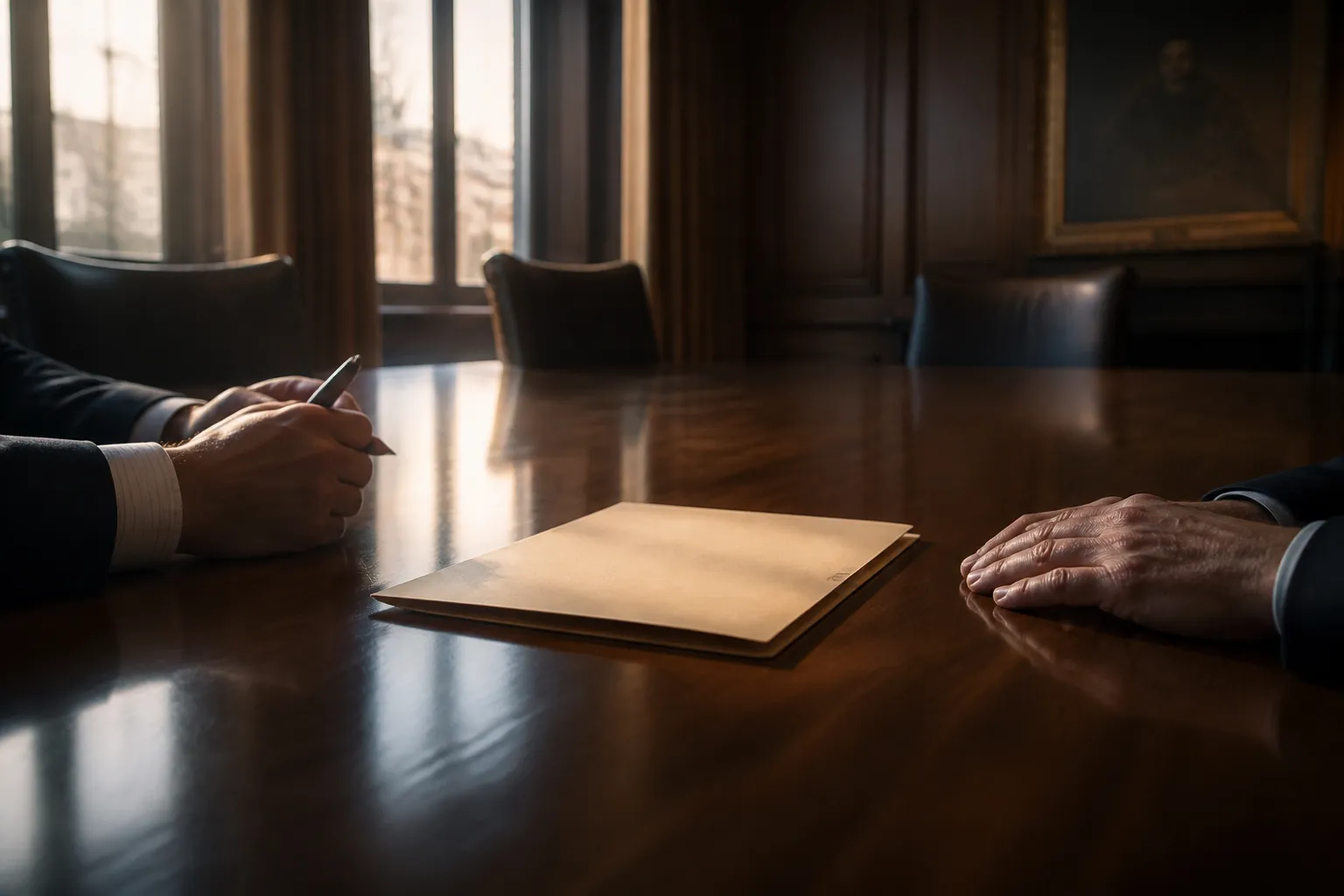
Deciding How to Decide: What the Folder Asks First
Before weighing a choice's merits, a leader can learn more by asking whether it can be undone, what undoing it would cost, and how much damage a wrong call could do.
By Lila Serrano

More Detail, Less Truth
Every vivid added detail feels like proof, but each one is another condition the claim has to survive.
By Siobhan O'Reilly

The Quiet Day a Project Should Have Ended
Sunk costs rarely announce themselves. The cheapest moment to stop a failing project is often the one nobody notices passing, so the stop rule has to be written early.
By Marcus Adeyemi-Holt

The First Line Before the Object
A catalog's opening words can shape how a viewer approaches an item, so cataloguers need to make those words accurate, attributed, and open about what the record cannot yet show.
By Lila Serrano

Who Tells the Rust Belt Comeback Story? What Federal Tech Awards Leave Out
Federal programs are steering money to heartland tech projects, but the public record shows few award sizes, no outcome data, and little about the regions that lost.
By Siobhan O'Reilly

What a Classroom Announcement Adds
A public statement changes less what a group knows than what each member can count on everyone else knowing.
By Marcus Adeyemi-Holt

Twelve Coins, Three Weighings, and the 24 Cases
Counting outcomes shows why three weighings is the minimum for twelve coins, and Dyson's labelling shows how a fixed plan covers every case.
By Lila Serrano

The Goat Behind the Door: Why Your Gut Keeps Losing the Monty Hall Game
The famous three-door puzzle exposes how quickly our intuition misreads chance, and how much the answer depends on rules most people never question.
By Siobhan O'Reilly
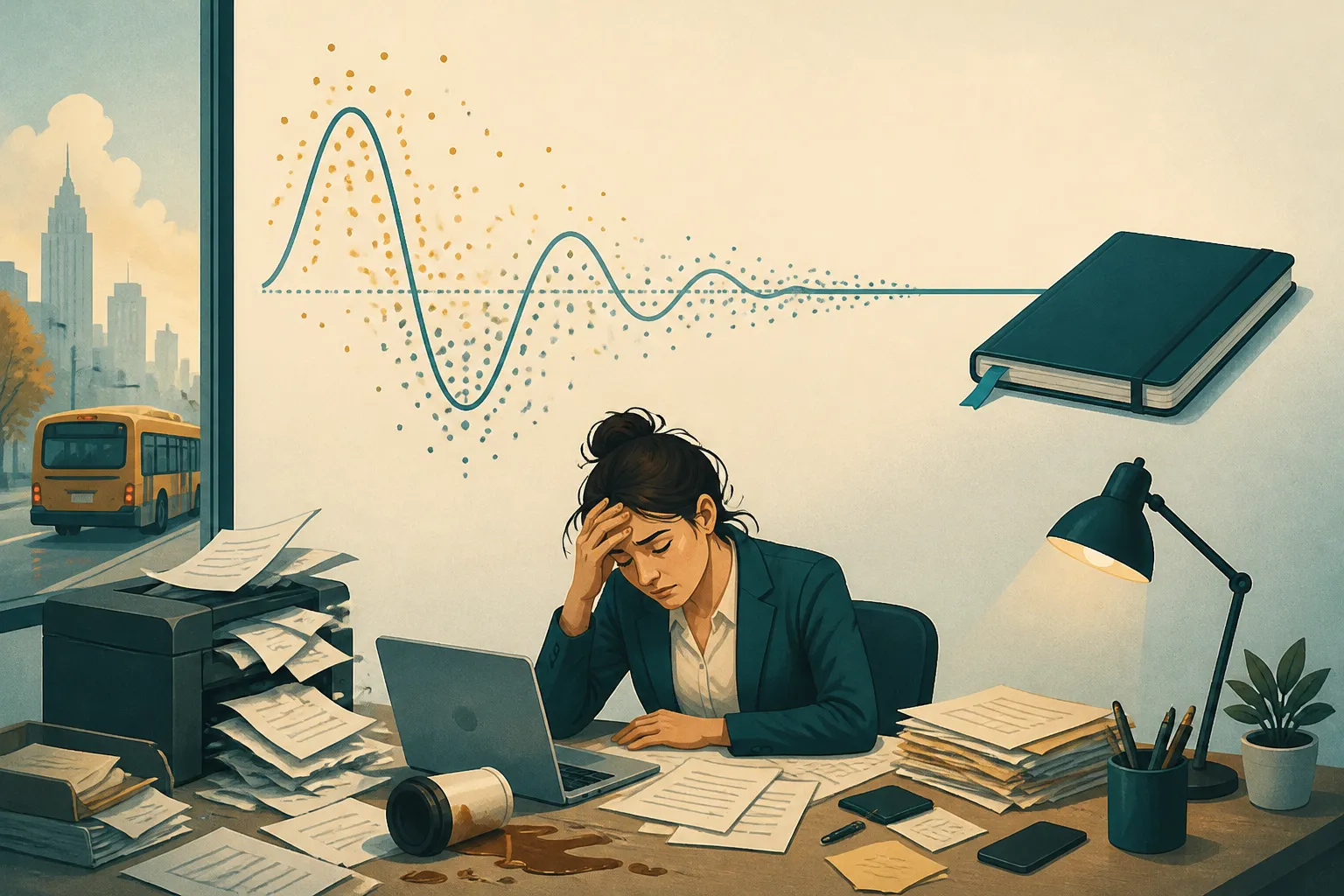
The Planner Did Not Save You
Extreme results tend to be followed by more ordinary ones, so a good week after a bad one proves less than it seems.
By Marcus Adeyemi-Holt
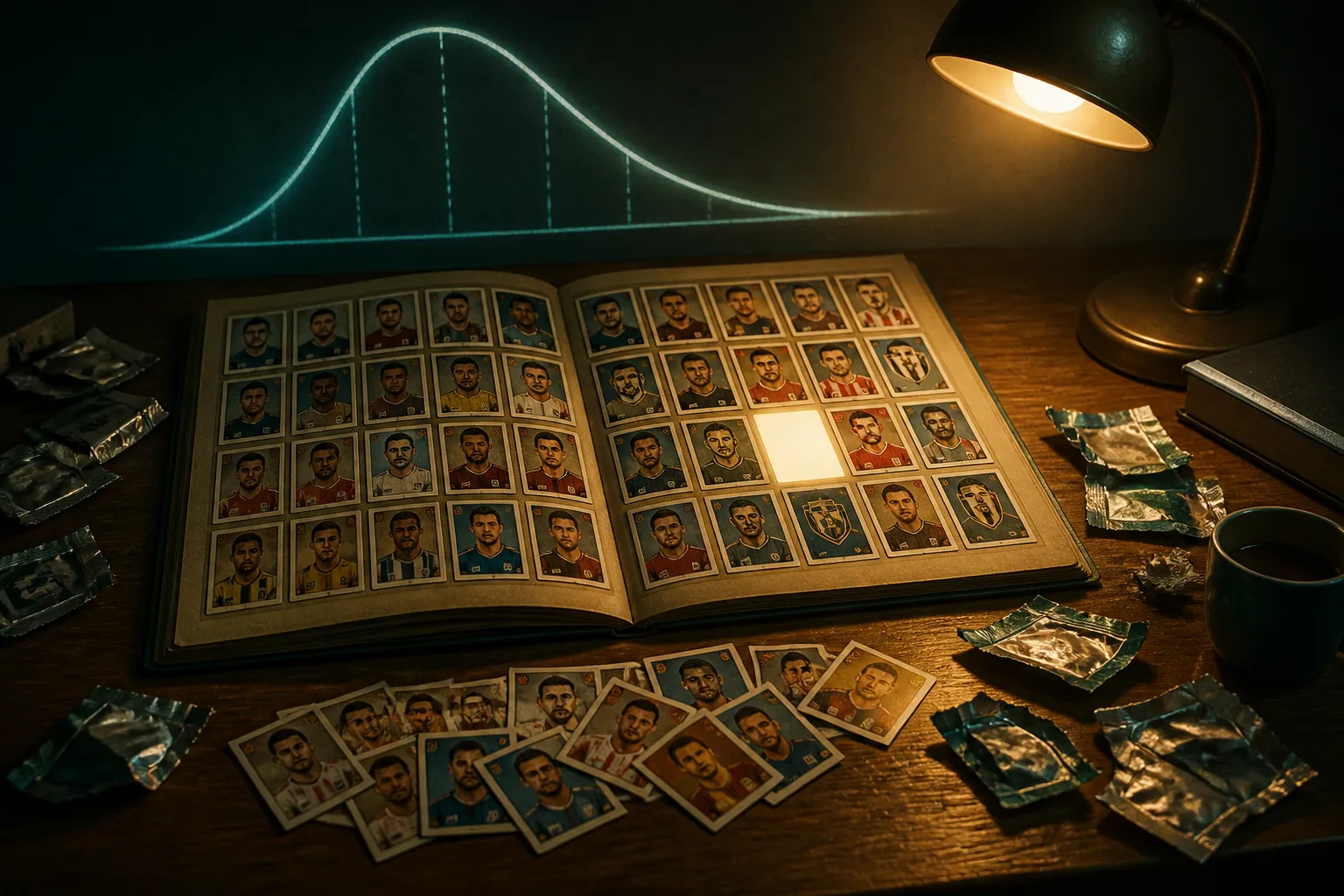
The Last Blank Square
As a sticker album fills, random packets mostly return duplicates, so the final missing card becomes a lesson in how odds narrow over time.
By Lila Serrano
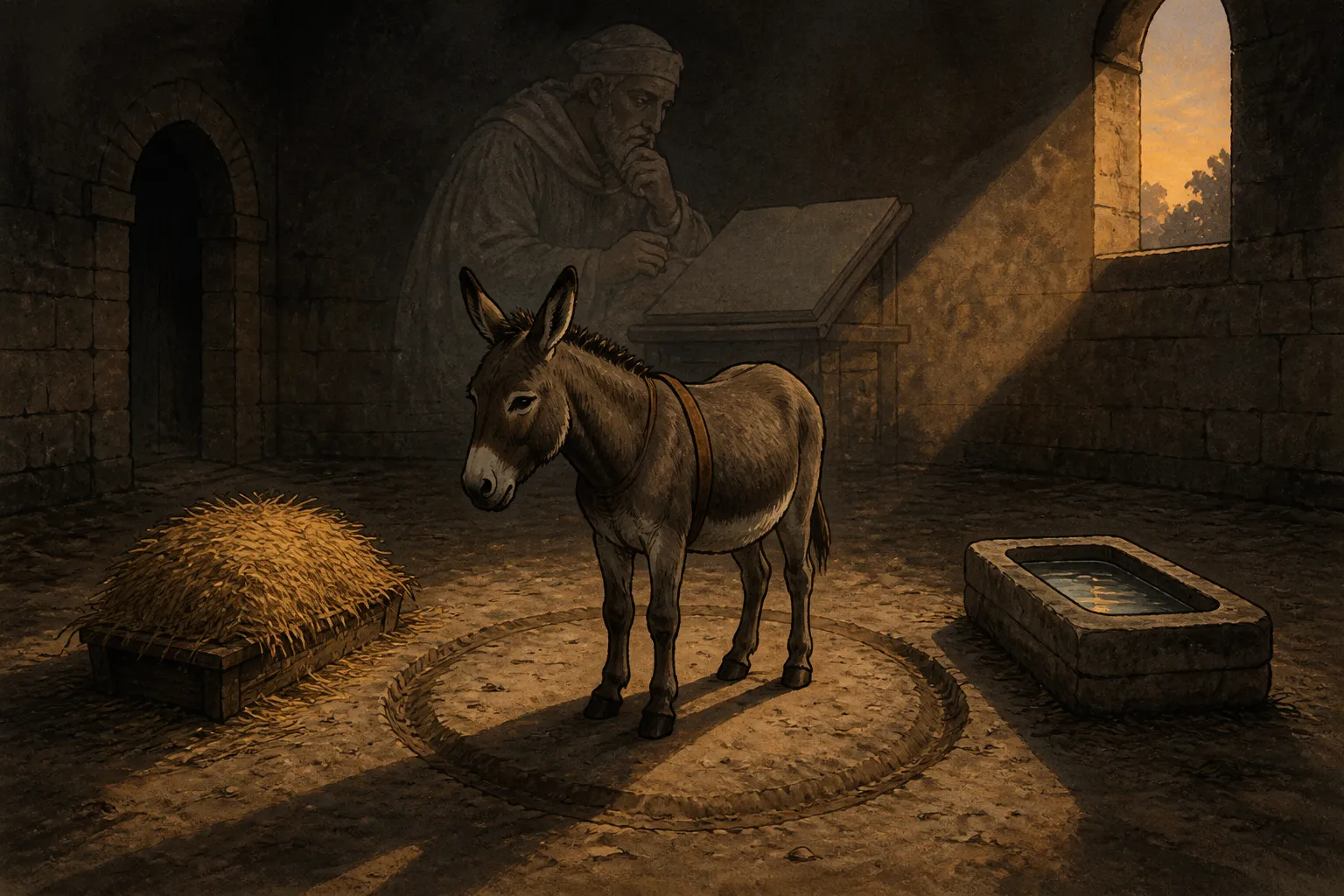
Buridan's Ass and the Problem of the Missing Donkey
The starving donkey carries the name of a real Paris logician, yet scholars generally say it does not appear in his surviving works.
By Siobhan O'Reilly

The Box That Knows You
Newcomb's problem sets a fixed table of payoffs against two respectable principles of choice, and neither side can simply be waved away.
By Marcus Adeyemi-Holt

Where the Repair Begins to Remake the Object
Each replaced part of a museum artifact raises the question of when conservation stops preserving an object and starts making a different one.
By Lila Serrano
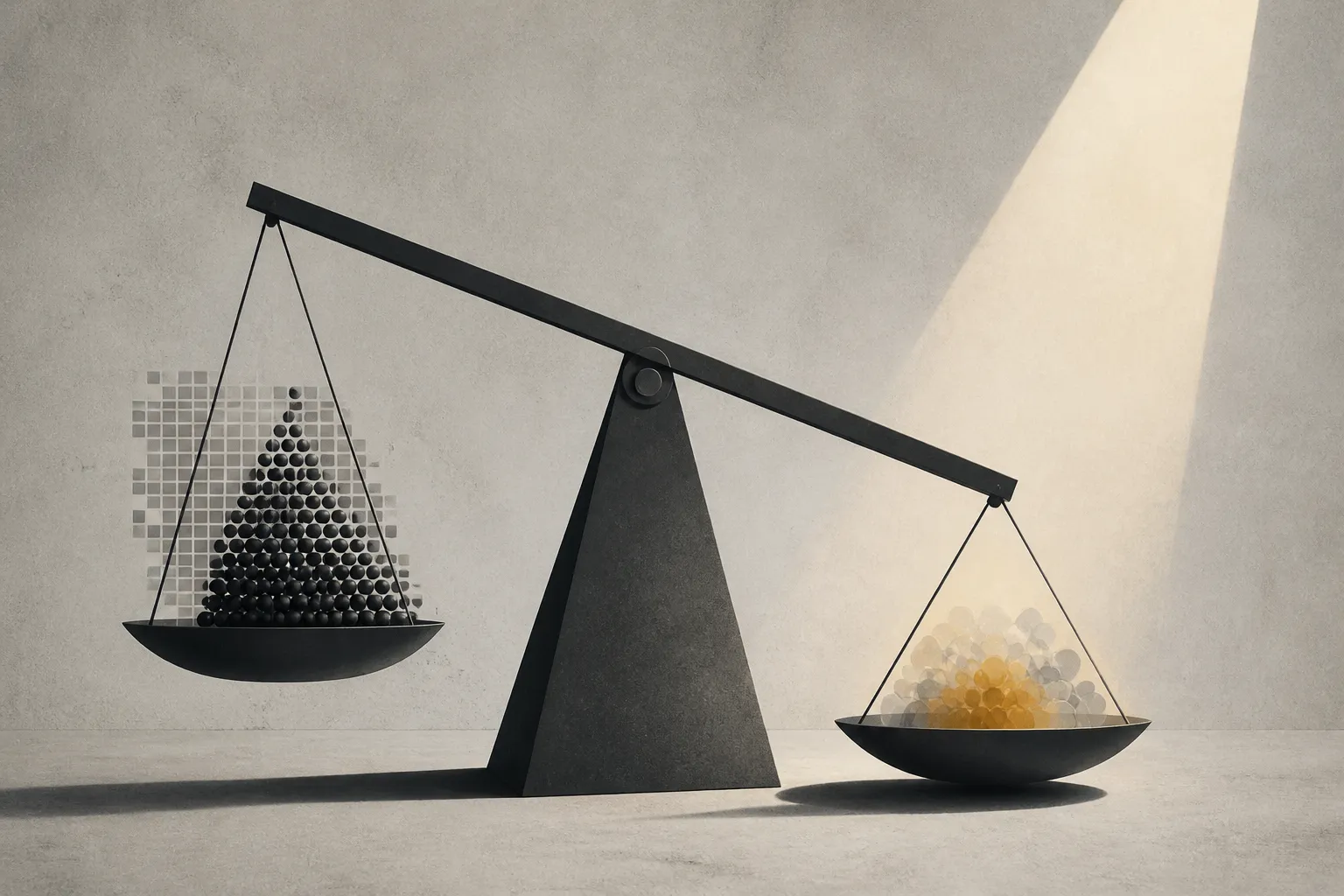
A Number Alone Can Mislead You Until You Ask Which Group It Counts
Using 2000 U.S. mortality figures and a screening-test example, this piece shows how conditional probability and Bayes' theorem separate a group's real risk from the look-alike number that often gets quoted instead.
By Siobhan O'Reilly
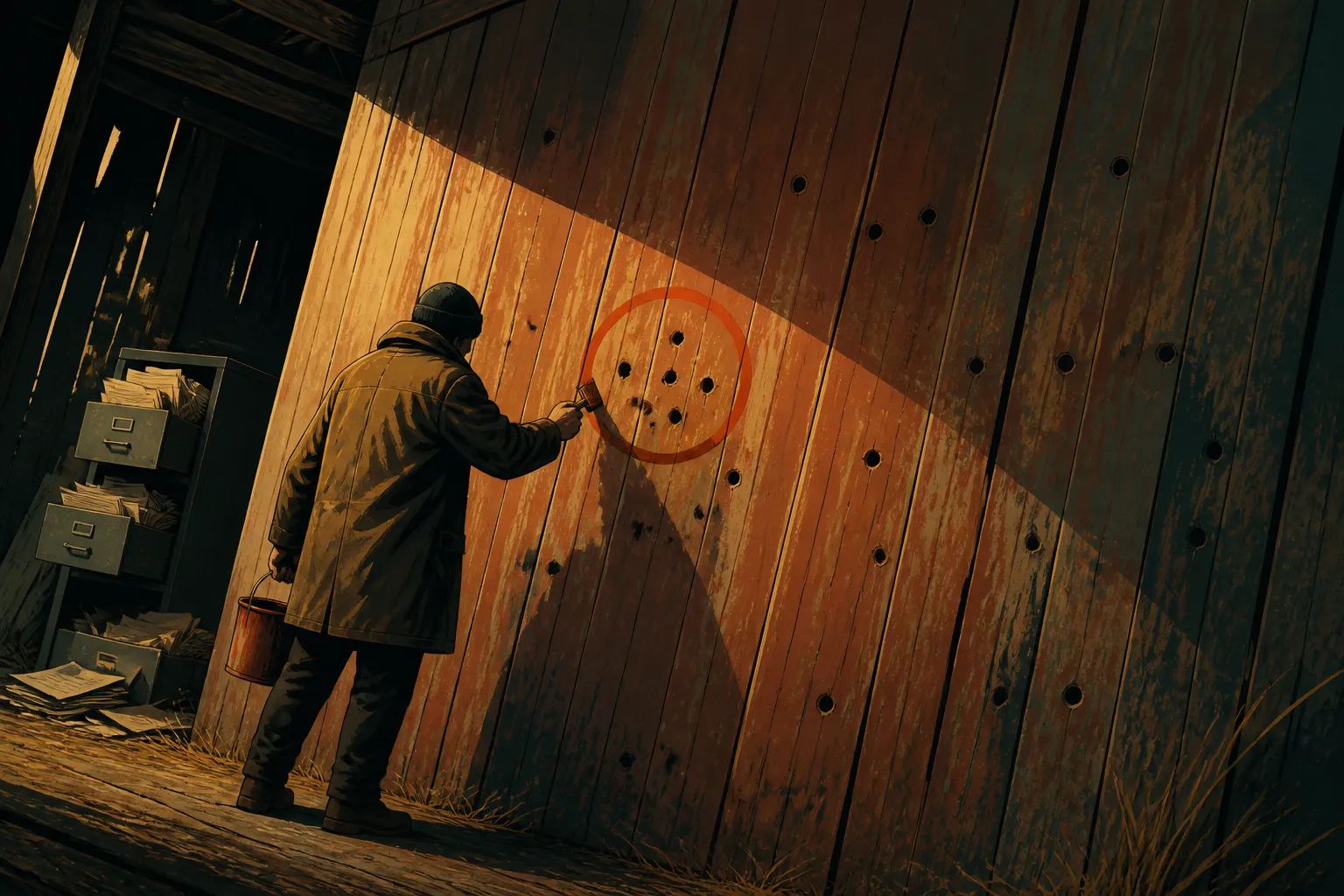
Painting the Bullseye After the Shot
Data dredging rarely looks like fraud from the inside, which is why the catalog's warning about undisclosed analysis matters to anyone who reads a study.
By Marcus Adeyemi-Holt
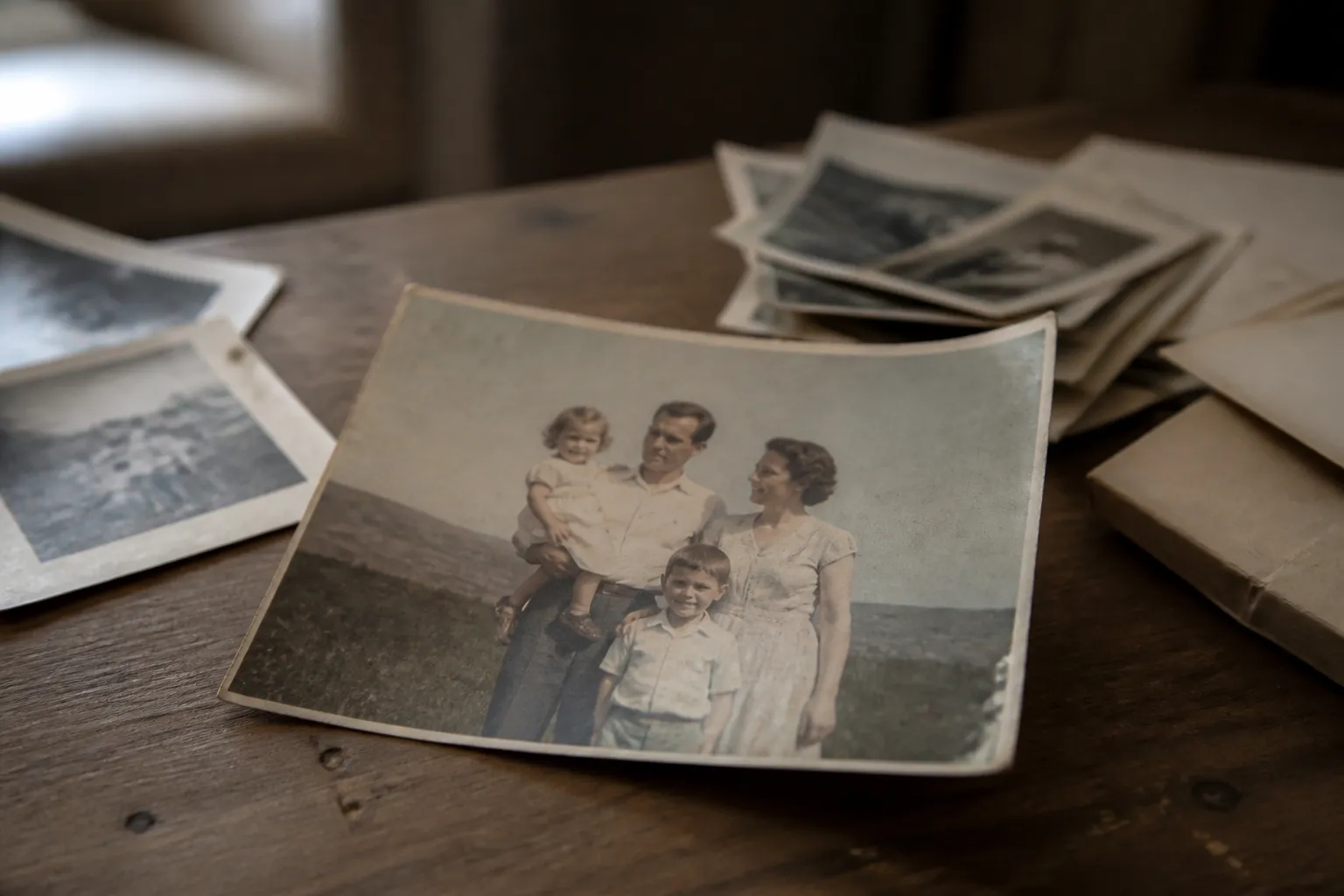
What One Photograph Can and Cannot Prove
A family snapshot can preserve a vivid moment, but turning that moment into a claim about everyone requires far more care than the picture alone can provide.
By Lila Serrano

The Logic of the Dirt
We try to measure the world with ones and zeros while the sand clogs the sensors.
By Siobhan O'Reilly

Which Way Does the Door Swing
Most decisions can be reversed, but the ones that cannot deserve a different kind of attention, and telling them apart is a skill worth practicing.
By Marcus Adeyemi-Holt
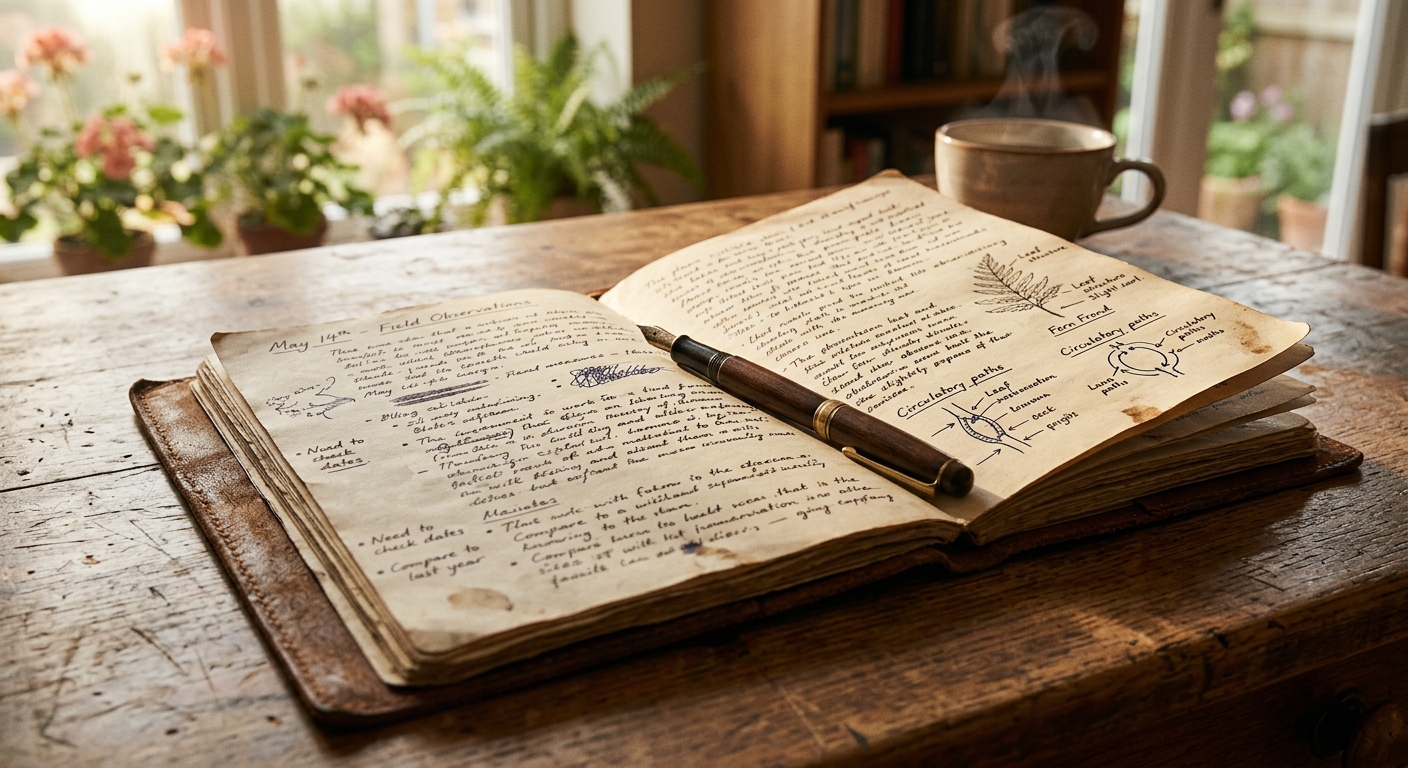
A Time Capsule for Decisions
A dated record of what you knew, feared, and expected can help you judge a choice without letting its outcome rewrite the past.
By Lila Serrano