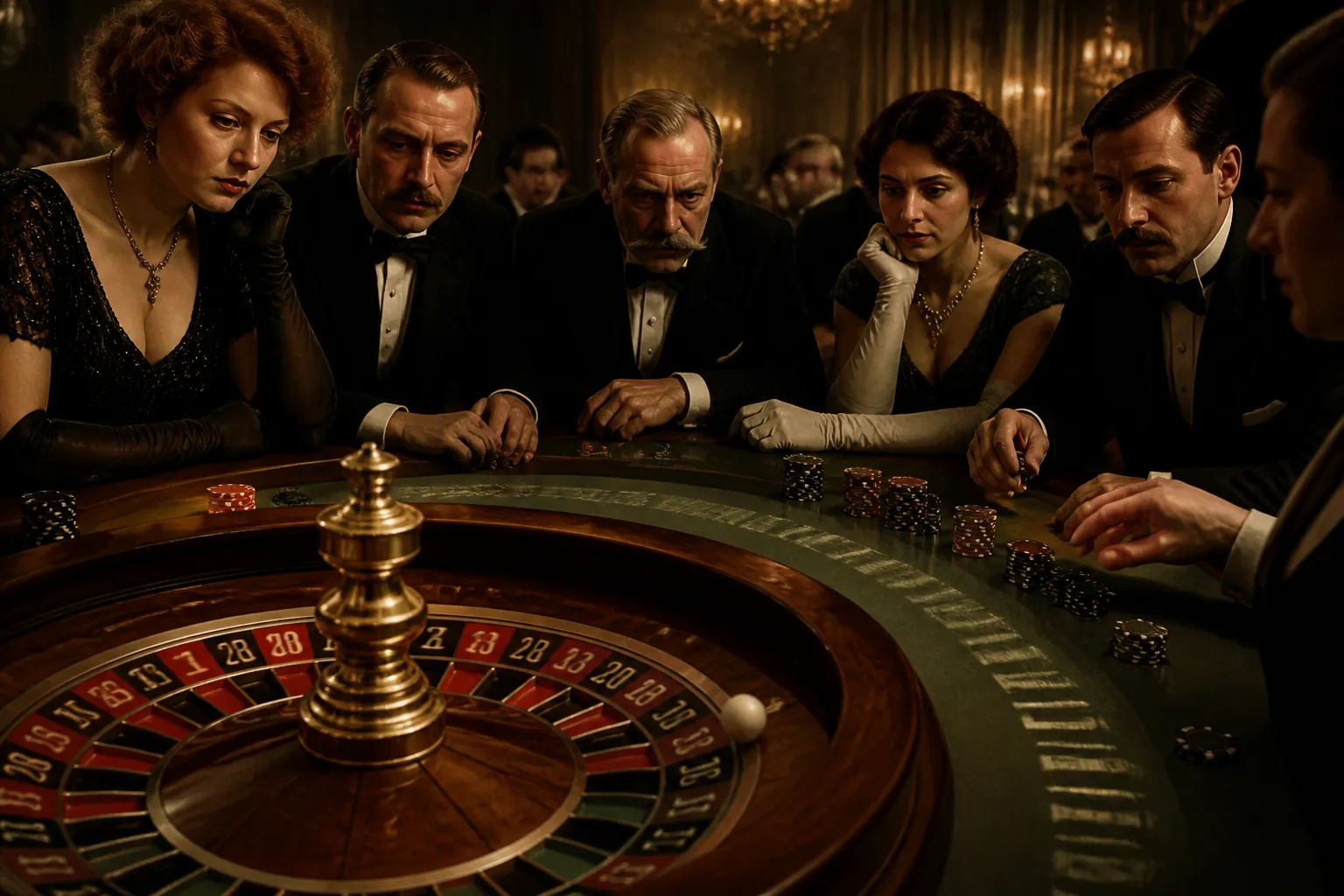
At Monte Carlo in 1913, the roulette wheel landed on black 26 times in succession. Around the table, gamblers began betting heavily on red, as if the wheel had accumulated an obligation. Each new spin looked like a chance to collect what the earlier ones had withheld. But a roulette wheel keeps no account. The streak belonged to the past; the next spin began without a memory of it.
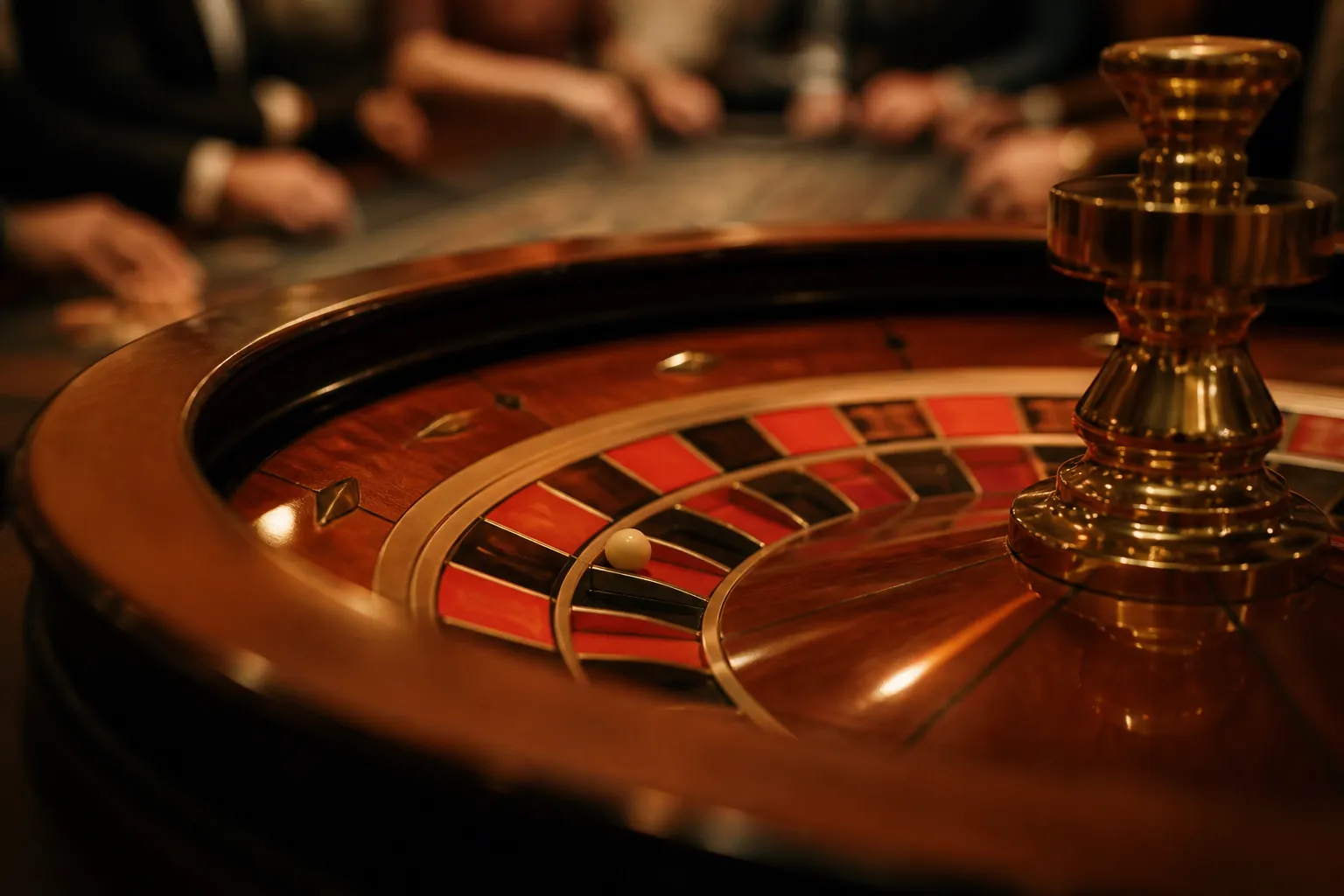
The wheel that made a famous mistake
The episode gave its name to the gambler’s fallacy, also called the Monte Carlo fallacy or the fallacy of the maturity of chances. The error is simple to state and easy to feel: after one outcome has appeared repeatedly, people expect the opposite outcome to become more likely. The EBSCO Research Starter describes the fallacy as treating independent events as linked. The Wikipedia entry records the Monte Carlo names and the famous run of black.
There is a small archival trap in the story. Twenty-six consecutive blacks are striking when read afterward, as a sequence with a beginning and an end. At the table, each spin arrived alone. The wheel did not know how many blacks had come before, and no red result was waiting in reserve. The famous run can tell us what happened. It cannot, by itself, tell us what the next spin was more likely to do.
Why independent events owe nothing
Independence means that one trial does not alter the chances of the next. With a fair coin, each flip has a 50 percent chance of heads and a 50 percent chance of tails. Flip tails five times in a row, and the next flip still has those same odds, assuming the coin and the toss are fair. The coin has no ledger where it marks down a balance.
That can feel wrong because people are good at noticing patterns, including patterns that may not mean anything. A run seems to ask for an explanation. If tails have appeared again and again, heads can feel like the answer that makes the sequence sensible. At a gambling table, that feeling can guide a bet. But a story we tell about a sequence does not change the physical conditions of the next flip.
Randomness can produce clusters. It can produce long stretches that look unusually orderly or unusually lopsided. A sequence of independent results does not have to alternate neatly to count as random. In fact, a pattern that looks irregular to us is part of what chance can produce. The mind sees the cluster, then supplies a promise of correction.
Numbers that look like patterns but are not
The arithmetic helps separate a streak’s rarity from the next outcome’s odds. Two heads in two tosses has a probability of one in four. Three heads in three tosses has a probability of one in eight. In general, the chance of getting heads on each of n consecutive tosses is 1 divided by 2 to the power of n. Those numbers describe the chance of a particular run before it begins. Once a run has happened, they do not make tails more likely on the next flip.
The same distinction applies to a die. A fair die has a one-in-six chance of landing on 4 on each roll, even if 4 has appeared less often than expected in the recent rolls. The count of fours so far is a record of earlier results, not a force acting on the die. To predict a different chance, we would need a reason the next roll is connected to the previous ones.
There is a second tangle in the word “balance.” Over many coin flips, the proportion of heads and tails tends to approach 50-50. That does not mean the difference between the total number of heads and tails must shrink toward zero. If a large sequence begins with a run of tails, later flips can dilute that early imbalance as the total grows, without reliably erasing the count gap. The share can move closer to half while the raw difference stays large or grows.
Where the reasoning holds and where it breaks
The independence test matters because some events really do affect later probabilities. Imagine drawing cards from a deck without putting each card back. If several cards of one suit have already been removed, the composition of the remaining deck has changed. Past draws then matter to the next draw. Reasoning from what remains is not a fallacy; it is a response to a changed set of possibilities.
Two questions can slow down the urge to call an outcome overdue. First, are the trials independent, or has something physically changed the conditions? Second, is the claim about proportions moving toward an even split, or about the counts themselves catching up? Those questions separate a real update in probability from a hunch borrowed from the shape of a streak.
The available accounts describe the tendency to see patterns and the mistakes it can produce, especially in gambling, but they do not settle why the mind makes this error or offer a detailed remedy. That leaves room for inquiry rather than a tidy diagnosis. For now, the useful habit is modest: identify what connects one trial to the next before treating the past as evidence about the future.
Keeping the coin honest
Return to that Monte Carlo table and the 26 blacks. The number is a vivid record, and the gamblers’ bets show how persuasive the expectation of reversal can become. Yet a streak is evidence about what has happened, not a debt the next outcome must repay. If nothing links the trials, the next chance starts fresh.
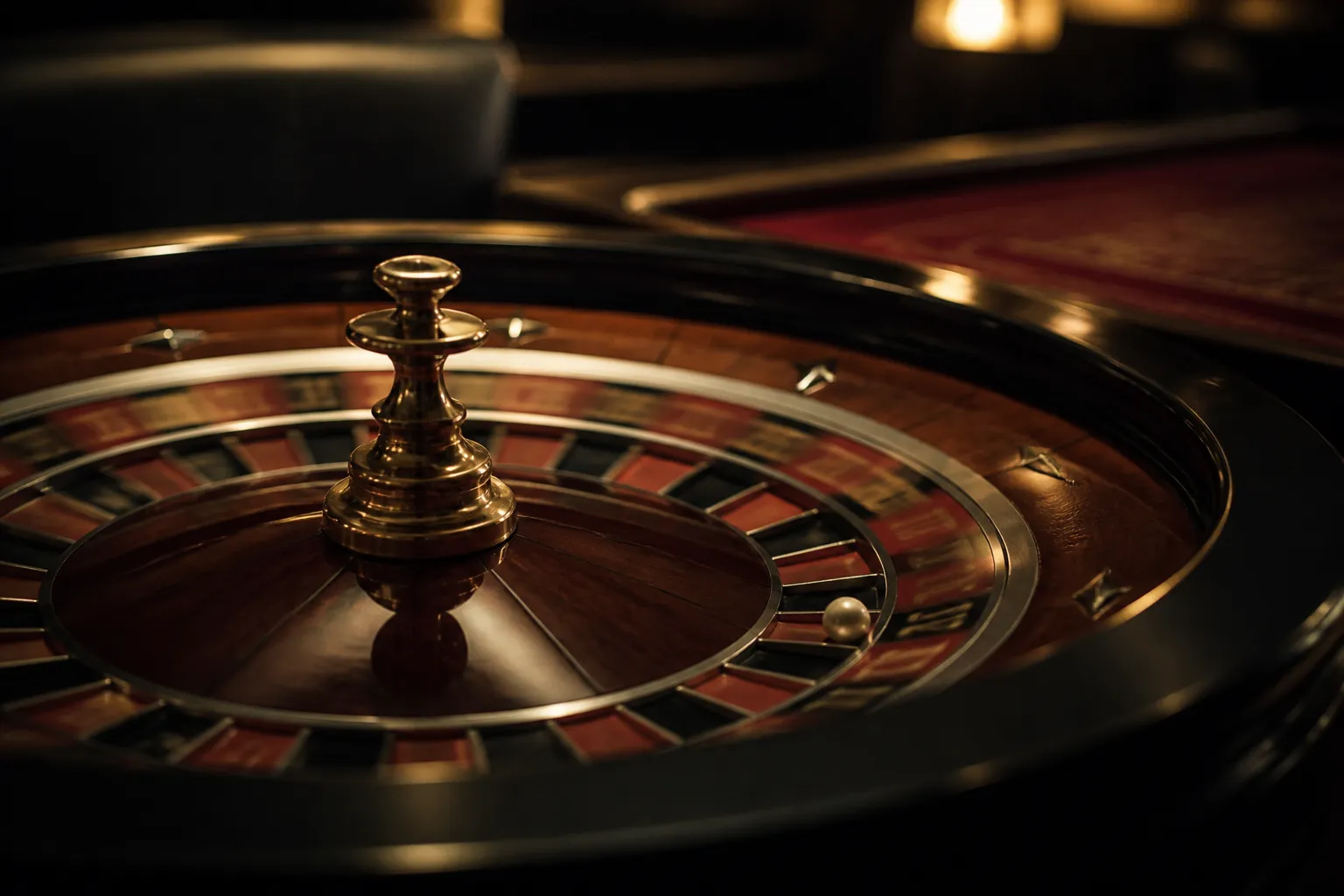
A coin does not remember the last result. Neither does a fair roulette spin. Before expecting a reversal, ask whether anything has changed in the mechanism or the remaining possibilities. If not, let the streak remain what it is: a striking piece of the past, with no claim on the next toss.
Sources
- Gambler's fallacy | Sports and Leisure | Research Starters | EBSCOhost
- Gambler's fallacy - Wikipedia
- Gambler's Fallacy
- https://arxiv.org/pdf/2405.14744
- 5.4: Gambler's Fallacy - Statistics LibreTexts
- https://arxiv.org/pdf/1512.08773
- https://arxiv.org/pdf/1905.12599
- 16.3: The Gambler’s Fallacy - Humanities LibreTexts
An exceptional writer at Deeperpectives, she covers public memory, family archives, and the histories held in ordinary objects. Before joining the desk, she cataloged oral histories for a neighborhood museum, where she learned to treat a small detail as a door, not a conclusion.