Author
Siobhan O'Reilly
Siobhan O'Reilly investigates the friction between urban decay and digital expansion for Deeperpectives. She spent a decade reporting from transit hubs and temporary settlements across the rust belt. Her work prioritizes the raw data of lived experience over polished corporate narratives.
18 articles
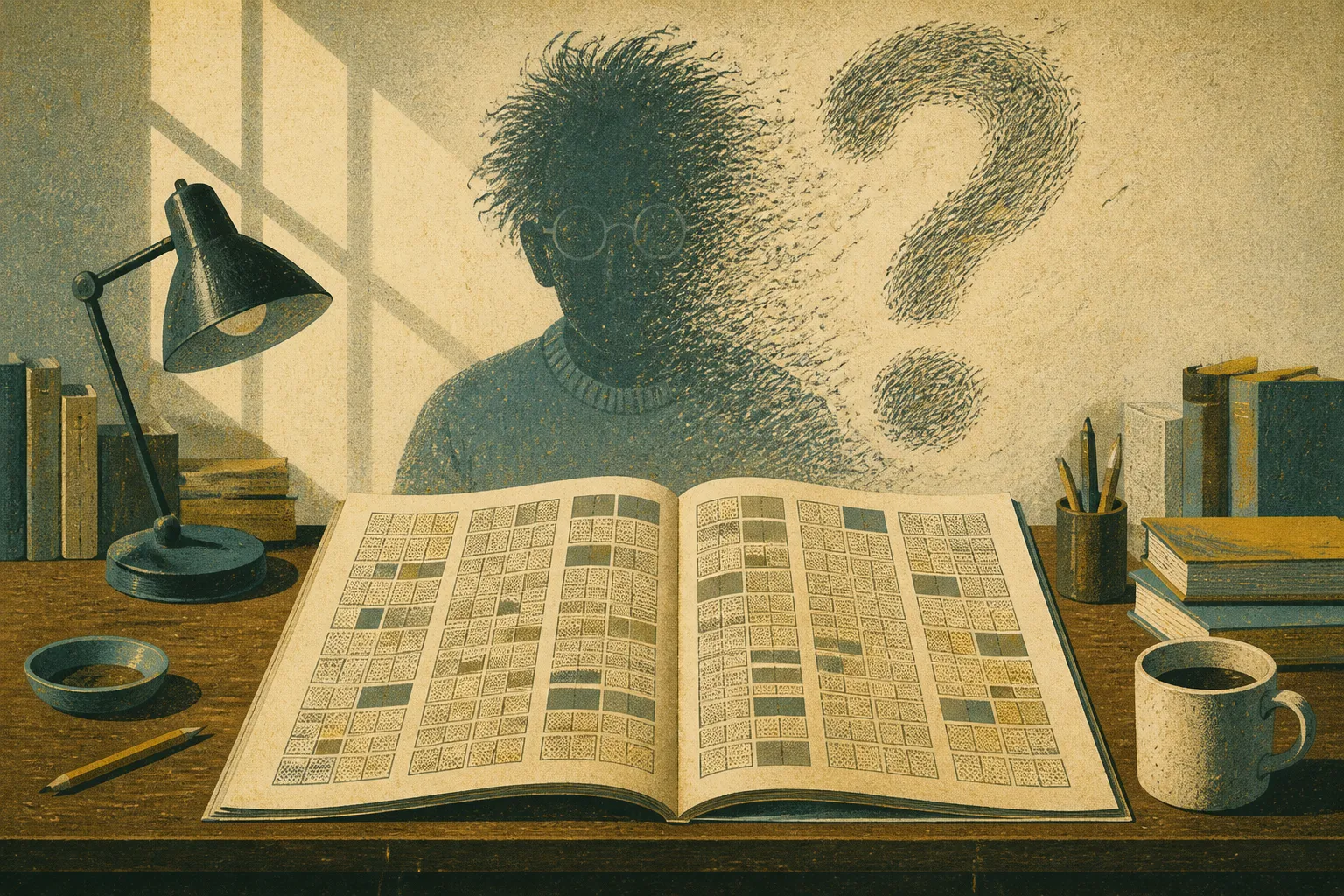
Einstein's Riddle: The Legend and the 1962 Magazine Page
The famous five-house logic puzzle has no documented link to Einstein. Its earliest known appearance is a 1962 issue of Life International, and its author is still unknown.
By Siobhan O'Reilly

If You Could Undo the Past, Who Gets Wiped From the Map?
National averages show factory jobs falling while total employment rose, but they cannot say which people or places a rewind would erase. Saint Paul's Rondo neighborhood shows what the stakes look like.
By Siobhan O'Reilly

Regret Theory: How Expected Regret Shapes Choices
Regret theory says people anticipate how a wrong call will feel and let that expectation steer decisions, sometimes away from the best expected value.
By Siobhan O'Reilly

Russell's Paradox and the Rulebook That Saved Set Theory
A 1901 self-referencing trap showed that not every description can define a set, and the axioms written in response still frame set theory today.
By Siobhan O'Reilly

When the Countdown Jumps: Ambiguity Aversion at the Transit Stop
Riders may tolerate a long wait more easily than a countdown that changes without explanation, but the evidence for real-time screens is thinner and older than vendors suggest.
By Siobhan O'Reilly

Check the Frame Before You Swing
Teams often rush to fix problems they have not defined well. A few simple checks can make the starting question a deliberate choice, without stalling the work.
By Siobhan O'Reilly

The Data That Lies to Your Face: How to Read a Statistic
Most misleading numbers are real. They go wrong when context is dropped, comparisons do not match, or uncertainty is hidden.
By Siobhan O'Reilly

The Cold Argument Is Plausible but Unproven
Fewer winter deaths could offset some summer ones. The heat data is large and documented, but the cold side has not been sized in the sources reviewed.
By Siobhan O'Reilly

Why We Keep Scrolling Bad News, and What the Evidence Says
Doomscrolling has real pull. The research suggests algorithms mostly reinforce existing drivers, and it leaves open how much each one contributes.
By Siobhan O'Reilly

The Ghost Still Steering the Ship
A correction can be accepted and the false belief can still shape later judgment. What the research says about why, what might help, and what remains unmeasured.
By Siobhan O'Reilly

The Crocodile Dilemma: A Promise No Choice Can Keep
A crocodile offers to return a child if the parent predicts its next move. One prediction leaves the promise impossible to keep, and the sources offer no resolution.
By Siobhan O'Reilly

Twelve Coins, Three Weighings: The Balance Puzzle and Its Real-World Cousin
A balance scale can find one odd unit among twelve in three weighings, but regulators checking net contents work from samples instead.
By Siobhan O'Reilly

More Detail, Less Truth
Every vivid added detail feels like proof, but each one is another condition the claim has to survive.
By Siobhan O'Reilly
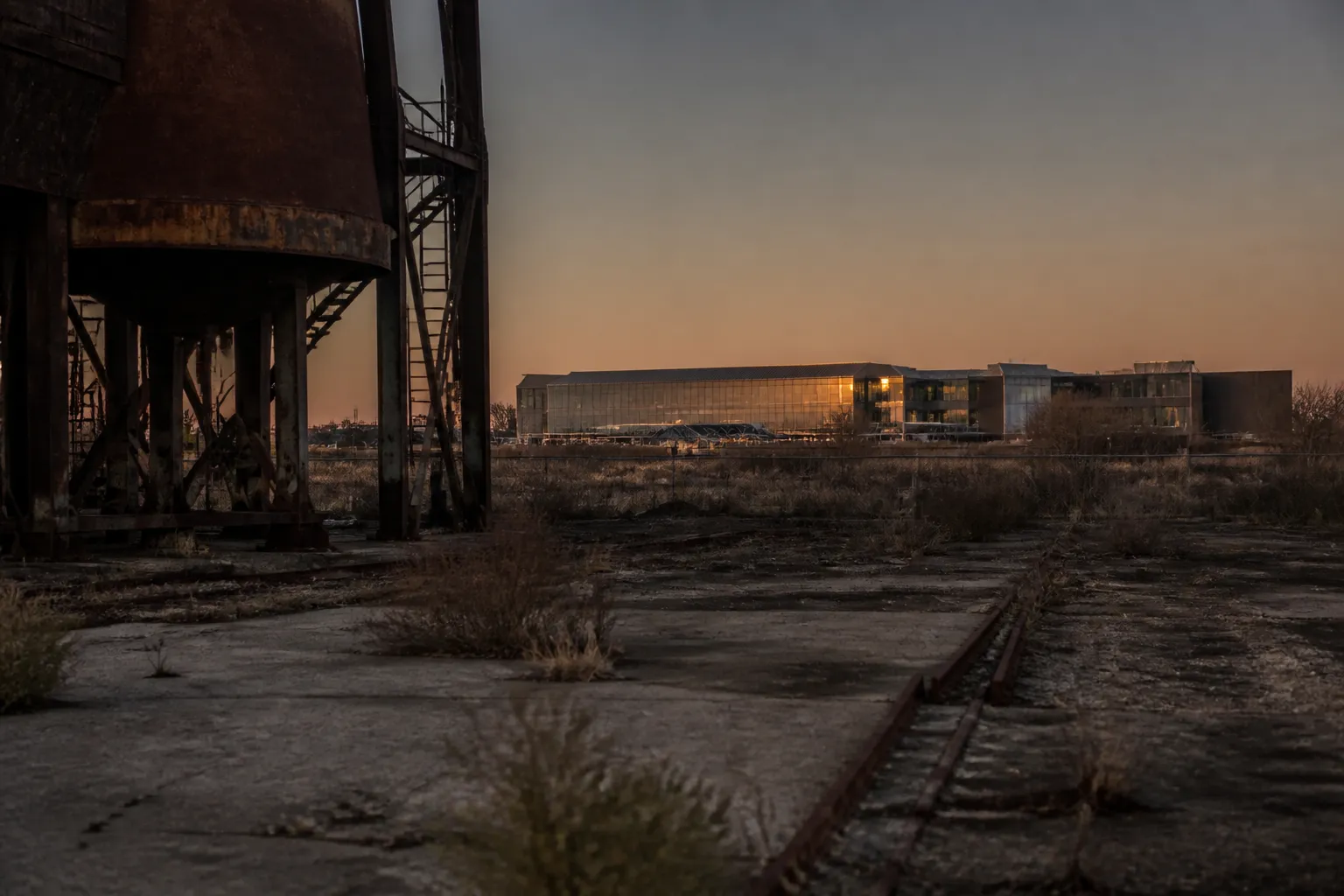
Who Tells the Rust Belt Comeback Story? What Federal Tech Awards Leave Out
Federal programs are steering money to heartland tech projects, but the public record shows few award sizes, no outcome data, and little about the regions that lost.
By Siobhan O'Reilly

The Goat Behind the Door: Why Your Gut Keeps Losing the Monty Hall Game
The famous three-door puzzle exposes how quickly our intuition misreads chance, and how much the answer depends on rules most people never question.
By Siobhan O'Reilly
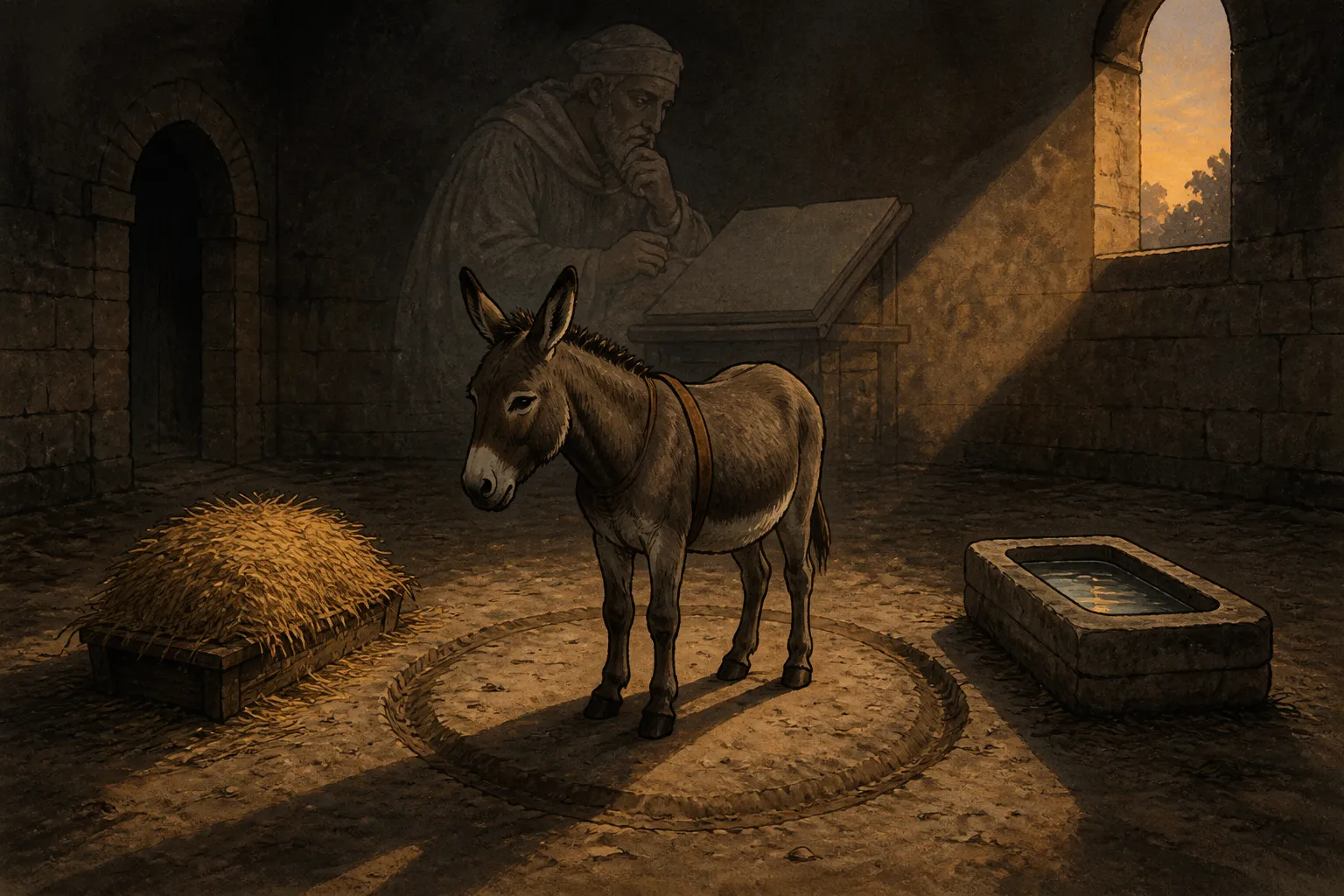
Buridan's Ass and the Problem of the Missing Donkey
The starving donkey carries the name of a real Paris logician, yet scholars generally say it does not appear in his surviving works.
By Siobhan O'Reilly

A Number Alone Can Mislead You Until You Ask Which Group It Counts
Using 2000 U.S. mortality figures and a screening-test example, this piece shows how conditional probability and Bayes' theorem separate a group's real risk from the look-alike number that often gets quoted instead.
By Siobhan O'Reilly
The Logic of the Dirt
We try to measure the world with ones and zeros while the sand clogs the sensors.
By Siobhan O'Reilly